
Mastering High Contrast: Canon C400’s Triple Base ISO in the Las Vegas Desert
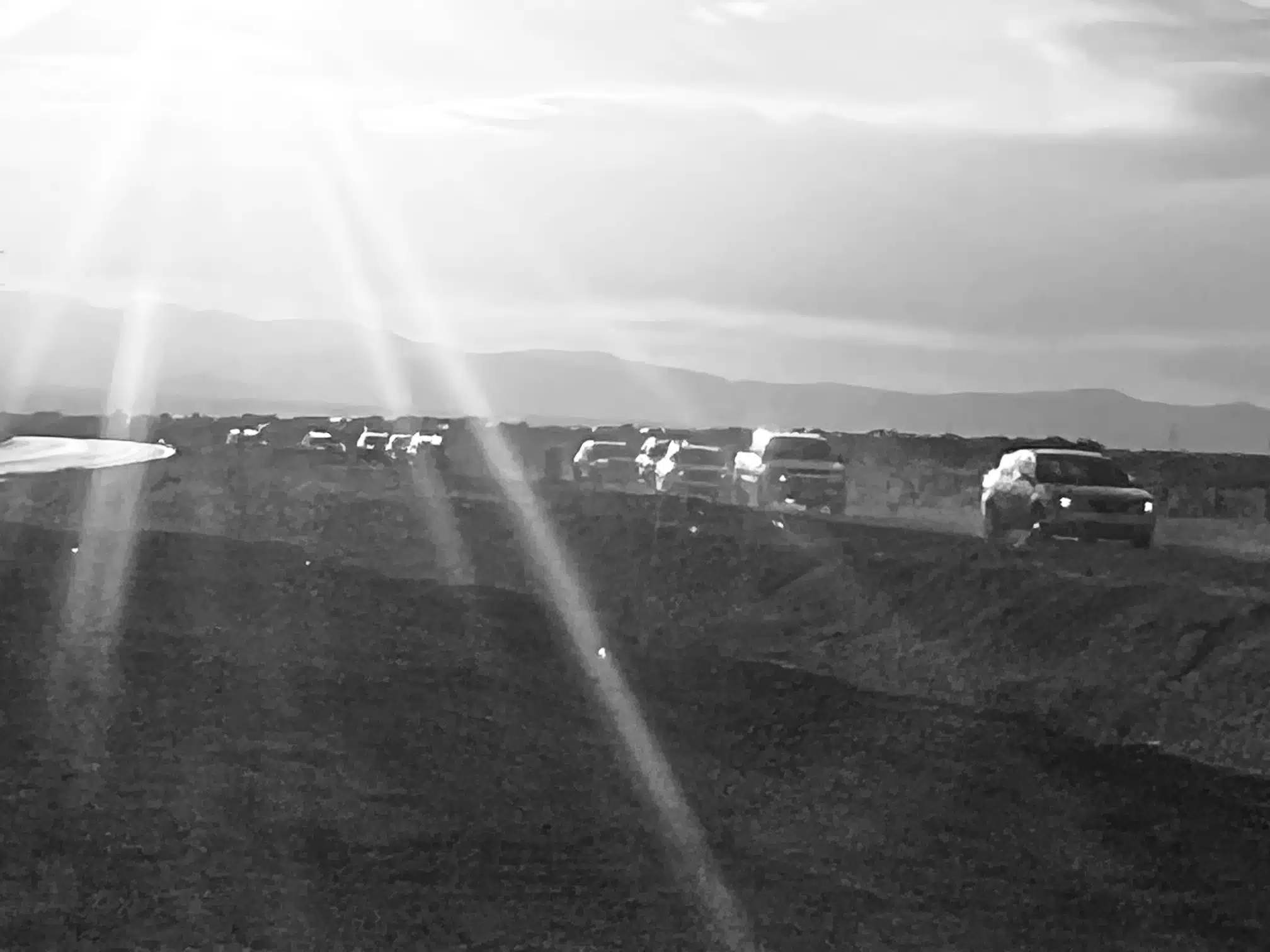
Shooting in Southern Nevada offers iconic backdrops like Valley of Fire and Jean Dry Lake. However, these locations present a brutal exposure challenge, featuring mid-day sun pushing beyond 18 stops alongside deep shadow contrast.
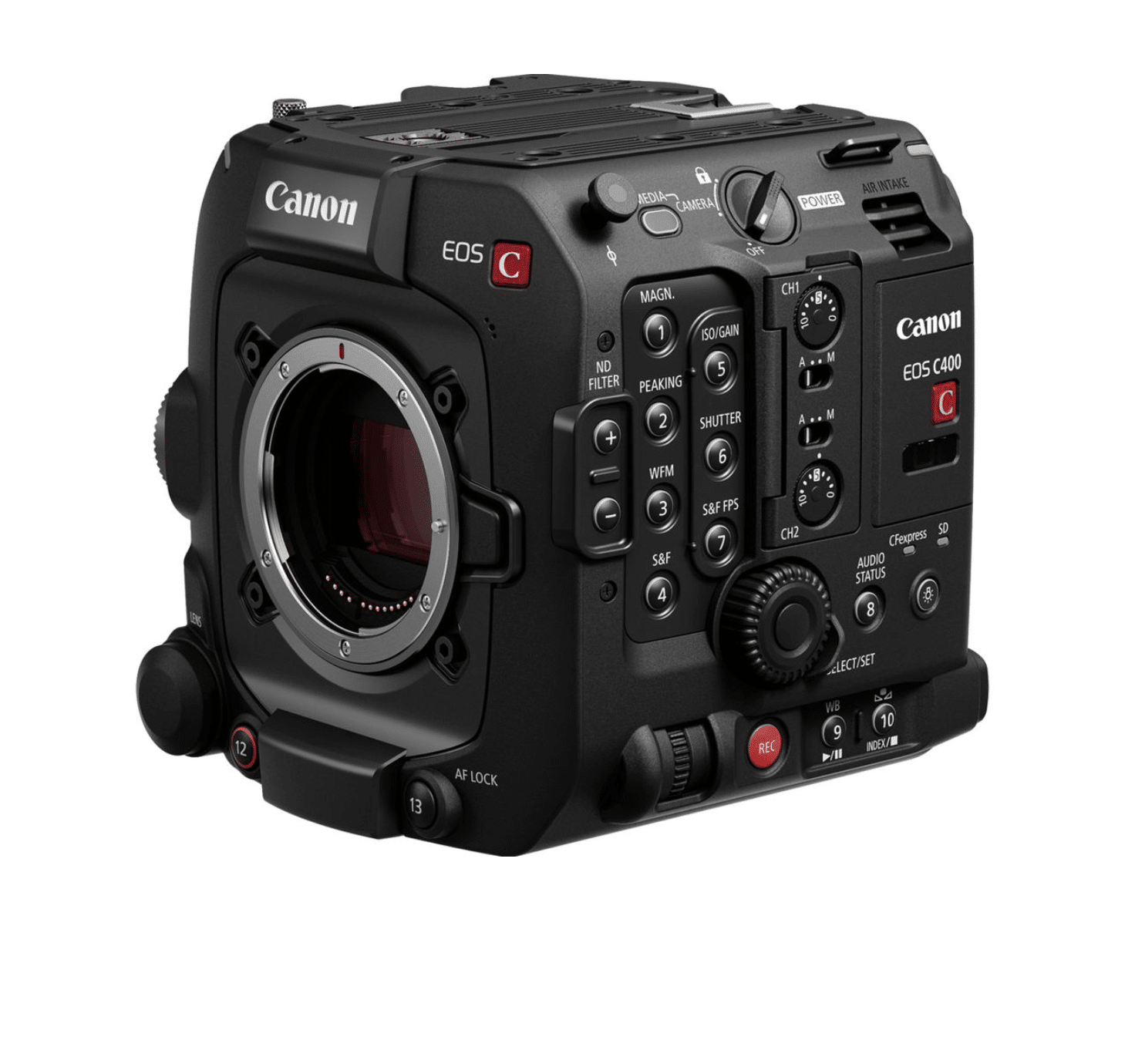
To conquer the extreme exposure ranges of the Mojave Desert, you need a sensor built for high dynamic range. Fortunately, the Canon EOS C400—available at F11 Rentals—houses a full-frame 6K Backside-Illuminated (BSI) sensor equipped with Triple Base ISO and internal motorized ND filters.
Consequently, mastering the C400’s native gain circuits is the easiest way to protect your highlights, salvage shadow detail, and execute a flawless desert production.
1. Choosing Your Base ISO
Instead of pushing ISO settings digitally, the C400 uses three separate native sensor modes:
-
Base 800 (Midday Sun): Maximizes highlight protection so bright skies, sand, and skin tones do not blow out.
-
Base 3200 (Shadows & Sunset): Boosts sensor sensitivity cleanly for slot canyons or shaded talent without adding digital noise.
-
Base 12,800 (Night & Firelight): Enables clear night shooting without hauling heavy generators into the desert.
2. Managing Harsh Sunlight: Base ISO 800 + Internal NDs
When filming under direct sunlight, your primary goal is protecting sky highlights and skin tones from clipping.
First, lock in Canon Log 2 at Base ISO 800 to allocate maximum latitude to the highlights above 18% middle gray. Next, engage the camera’s internal electronically controlled ND system instead of stacking heavy glass filters that attract desert dust and glare:
-
2 to 6 Stops: Standard internal wheel adjustments for moderate sunlight.
-
8 to 10 Stops (Extended Mode): Combines internal filters to drop exposure under intense dry lake bed glare.
As a result, dropping 8 stops of internal ND at Base 800 allows you to shoot wide open at T2.4 on our NiSi Athena PL Primes, maintaining a shallow depth-of-field under blistering noon light.
3. Conquering Shadow Contrast: Base ISO 3200 in Canyons
In contrast to open desert, slot canyons and rock formations present severe contrast gaps between bright skies and deep sandstone shade.
Whenever your talent moves under heavy shade, simply switch the camera to Base ISO 3200. Because Base 3200 engages a secondary hardware circuit on the sensor, it avoids digitally pushing ISO 800. Ultimately, you retrieve rich shadow detail without elevating the noise floor.
4. Essential Desert Gear Pairings at F11
To maximize your desert rig, consider combining the C400 with key items from our local inventory:
-
Lens Synergy: Pair the C400 with our NiSi Athena PL Primes or Angenieux EZ Zooms. Matching gear positions and unified color profiles ensure fast, dust-free lens swaps.
-
Autofocus Tracking: Utilize Canon’s Dual Pixel CMOS AF II to keep sharp focus on subjects moving across uneven terrain.
-
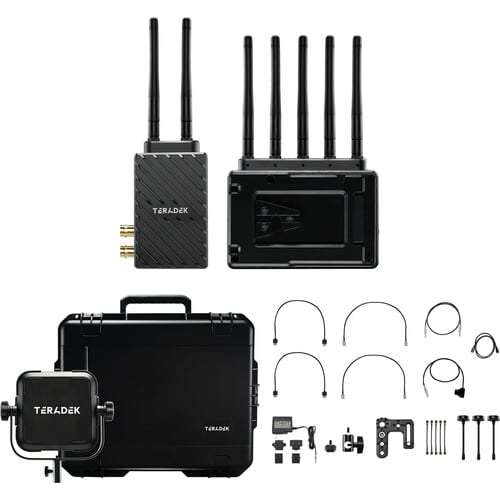
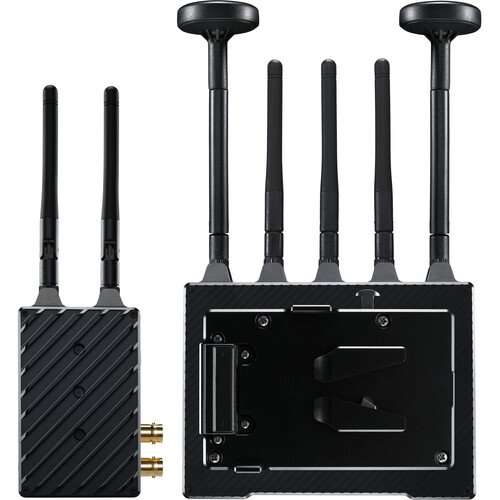
Monitoring: Route signals to high-bright SmallHD monitors via Teradek Bolt 4K systems, allowing directors to check exposure tools clearly in harsh ambient light.


Reserve Your Canon C400 Package at F11 Rentals
Whether you are filming a commercial or a feature in Southern Nevada, F11 Rentals prepares, tests, and stages complete custom camera packages so your crew can hit the ground running.
Contact F11 Rentals today to reserve the Canon C400 or book our studio space.

Pre-Lighting Your Las Vegas Set: Save Time and Money on Production Day
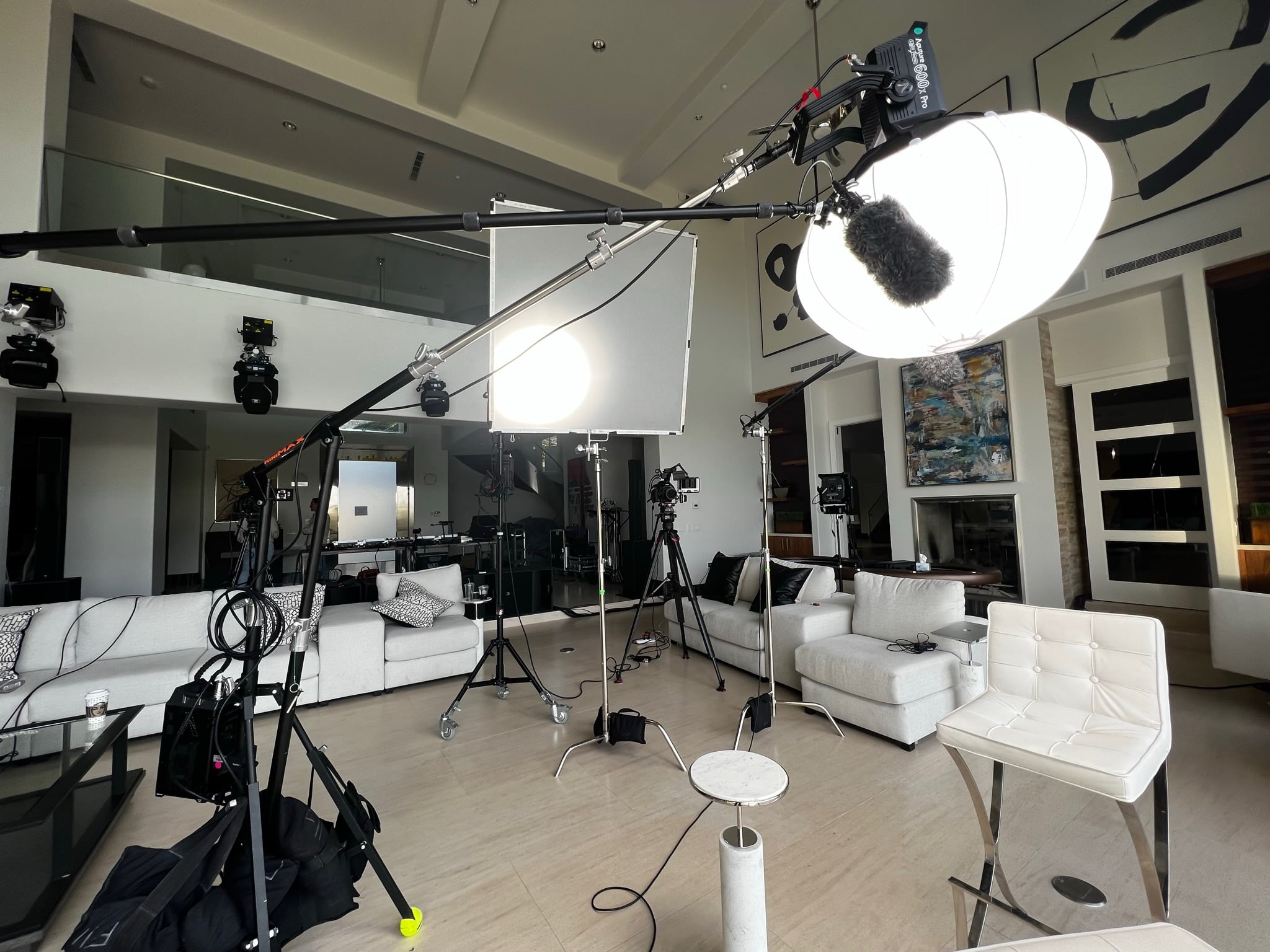
Picture this: It’s 7:00 AM off the Las Vegas Strip. Your client is on set, talent is in hair and makeup, and your AD is checking their watch. Meanwhile, your Grip & Electric (G&E) crew is still rigging overhead lights and running stingers.
In a fast-paced filming hub like Las Vegas, burning morning production time on basic lighting setup is a massive budget drain. The fix? The Pre-Light Day.
What Is a Pre-Light Day?
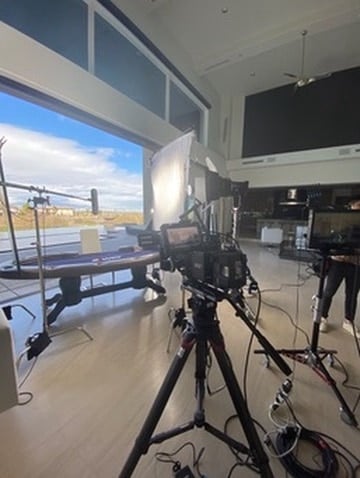
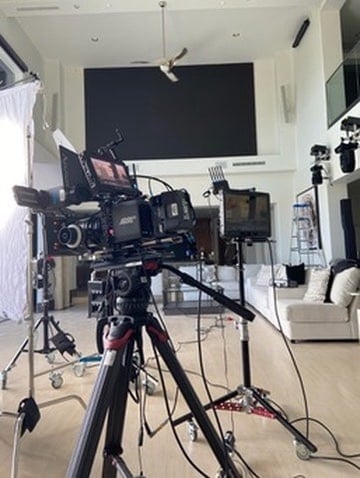
A pre-light is a dedicated block of time—usually the day or afternoon before your main shoot—where a skeleton G&E crew, Gaffer, and DP rig, position, and test the entire lighting setup. When call time hits on shoot day, you flip a few switches and start rolling immediately.
Why Pre-Light Your Next Vegas Shoot?
1. Eliminate “Expensive Waiting Time”
Paying a small G&E team to set up the day before prevents a 20-person crew of directors, sound mixers, and talent from sitting around on the clock.
-
No Pre-Light: 20 crew members wait 2 hours during morning setup = 40 lost man-hours + overtime.
-
With Pre-Light: 3 G&E crew members set up the afternoon before. Production rolls 15 minutes after call time.
2. Solve Technical Curveballs Stress-Free
Out-of-town crews face unique Vegas challenges, like balancing high-output lights against bright desert sun or meeting tight studio windows. A pre-light gives your team breathing room to swap fixtures, dial in lighting ratios, and program DMX lighting cues without clock pressure.
3. Maximize Studio Infrastructure
Lighting a large studio or a 3-walled cyclorama stage takes time. Pre-lighting allows you to:
-
Fly fixtures in overhead truss systems to keep the floor clear for cameras and jibs.
-
Tie into high-amperage power safely without rushing cable management.
-
Perfect cyc wall color-balancing for seamless infinity-white or green screen shoots before talent arrives.
4. Keep Clients and Talent Cool
Walking onto a calm, fully lit set builds instant confidence for visiting agency clients and allows directors to do relaxed walkthroughs with stand-ins before rolling.
When Is a Pre-Light Essential?
Budget for a pre-light day if your shoot involves:
-
Commercials & Branded Content with executive or agency clients on set.
-
Complex Multi-Look Builds requiring saved DMX console presets.
-
Cyclorama & Green Screen Shoots where spill and shadow control are critical.
-
Automotive & Product Shoots requiring precise overhead diffusion placement.
Streamline Your Next Vegas Shoot with F11
At F11 Rentals, our 2,500 sq. ft. Las Vegas production studio is built to eliminate setup friction—featuring a 26’ x 34’ x 36’ 3-walled cyc, motorized overhead truss, and 480-amp power.
Audio for Solo Shooters: Wireless Mics vs. Shotguns on Vegas Locations
When you’re a solo filmmaker, you’re the director, operator, and audio engineer. While camera specs get all the buzz, poor audio ruins great footage faster than a soft focus ever could.
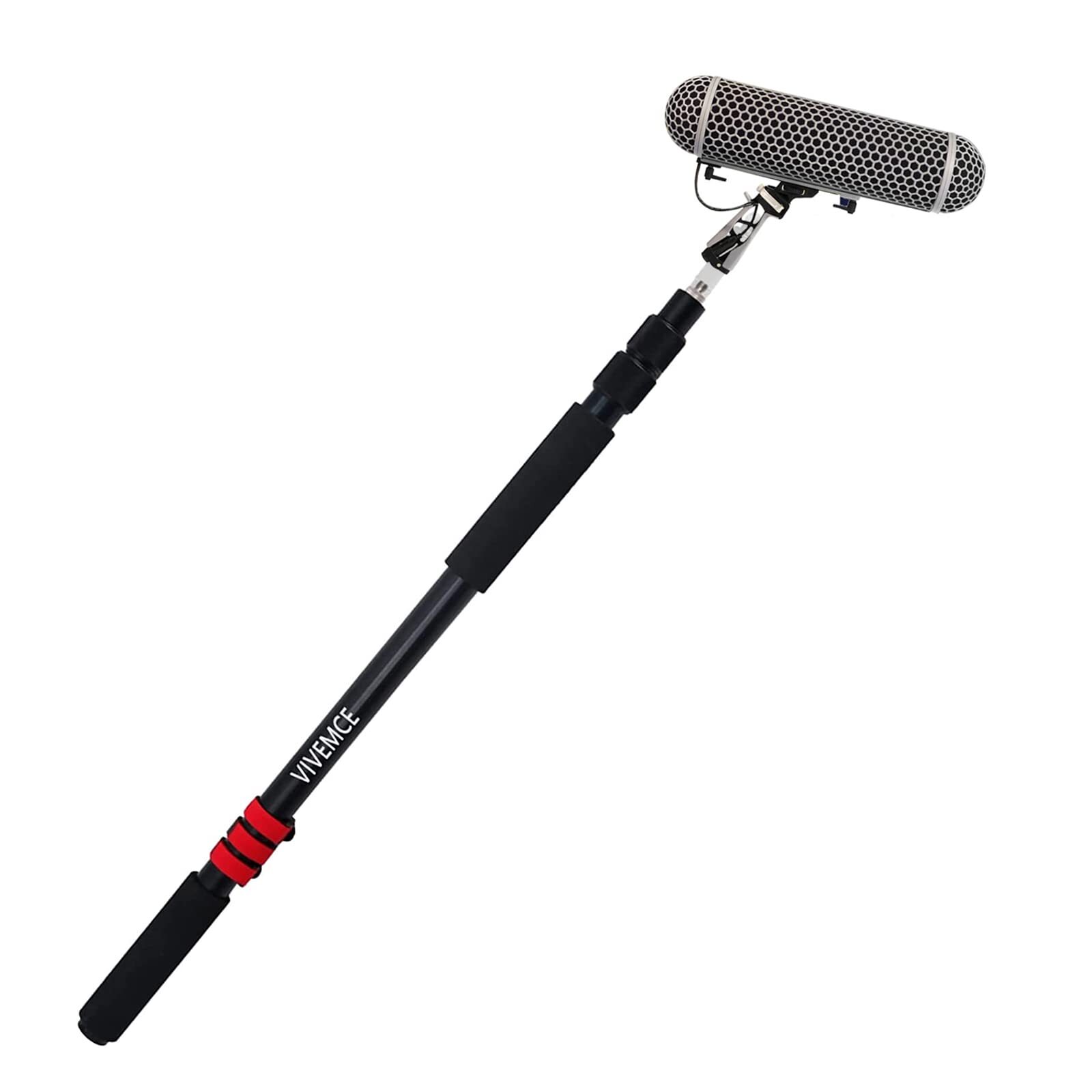
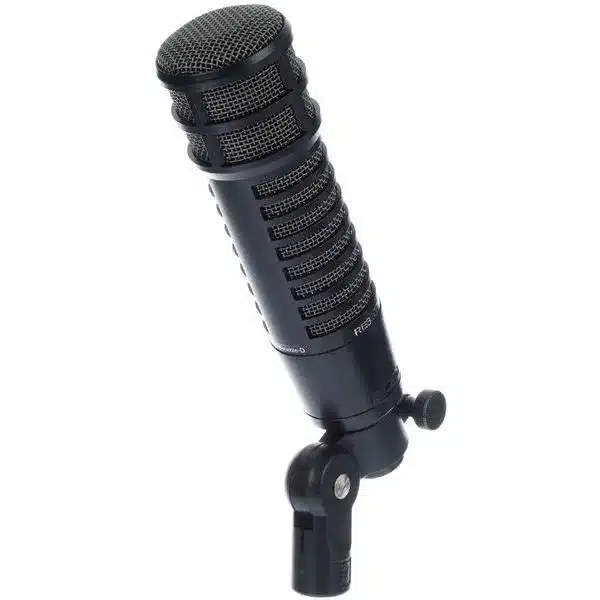
Without a dedicated boom operator, your decision comes down to two tools: a Wireless Lavalier Mic or an On-Camera Shotgun Mic. Here is how to pick the right one for your location shoot.
1. The Wireless Lavalier Mic
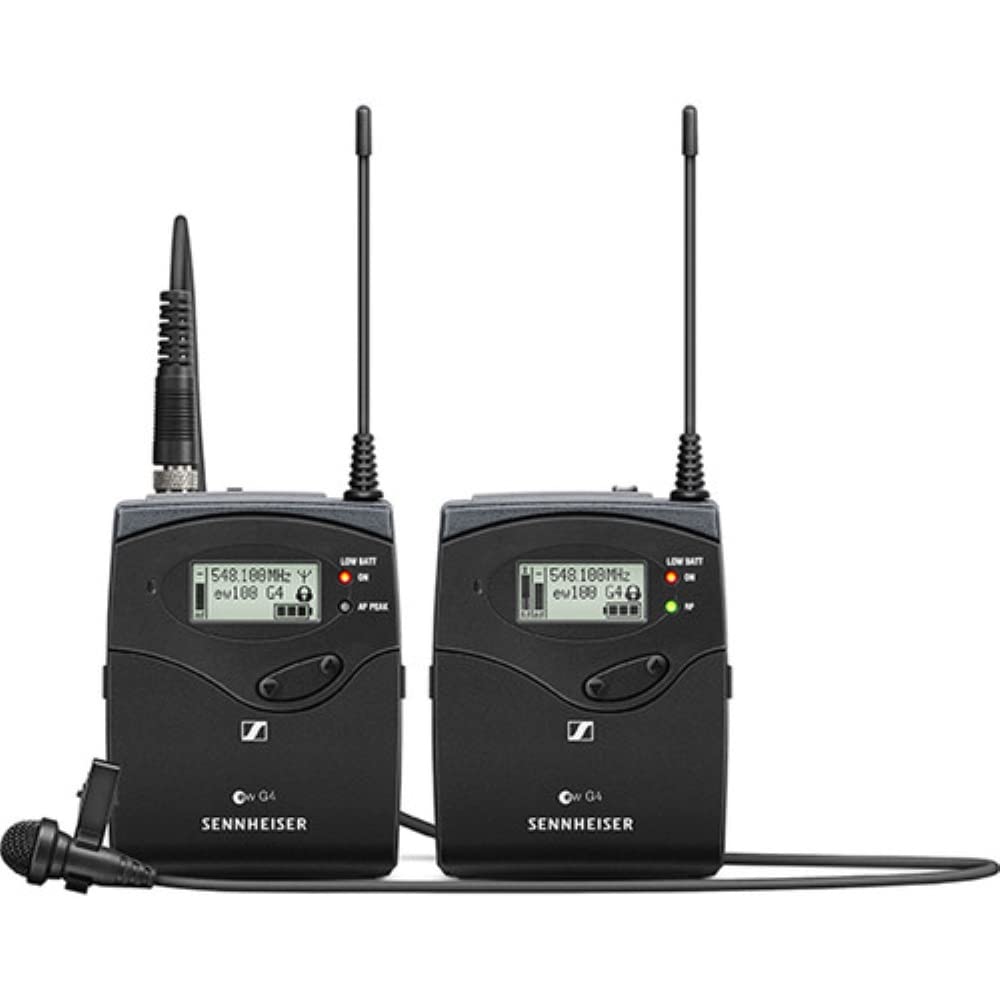
Systems like the Sennheiser Dual Lav Kit or Deity Theos Wireless Lav System clip to your talent’s clothes, placing the microphone capsule just inches from their mouth.
Pros
-
Consistent Proximity: Because the mic moves with the subject, audio levels stay identical regardless of distance or movement.
-
Vocal Isolation: Specifically, it isolates the voice while effectively minimizing ambient room noise and wind.
-
Framing Freedom: Furthermore, you can shoot wide landscape shots without worrying about a boom pole creeping into frame.
Cons & Solo Risks
-
Setup Time: On the other hand, it takes extra time to dress and mic up talent during fast-paced, run-and-gun shoots.
-
Clothing Noise: Additionally, friction against shirts or jackets creates rustling that is nearly impossible to fix in post.
-
RF Dropouts: Finally, signal interference can occur in dense urban areas crowded with competing Wi-Fi signals.

2. The On-Camera Shotgun Mic
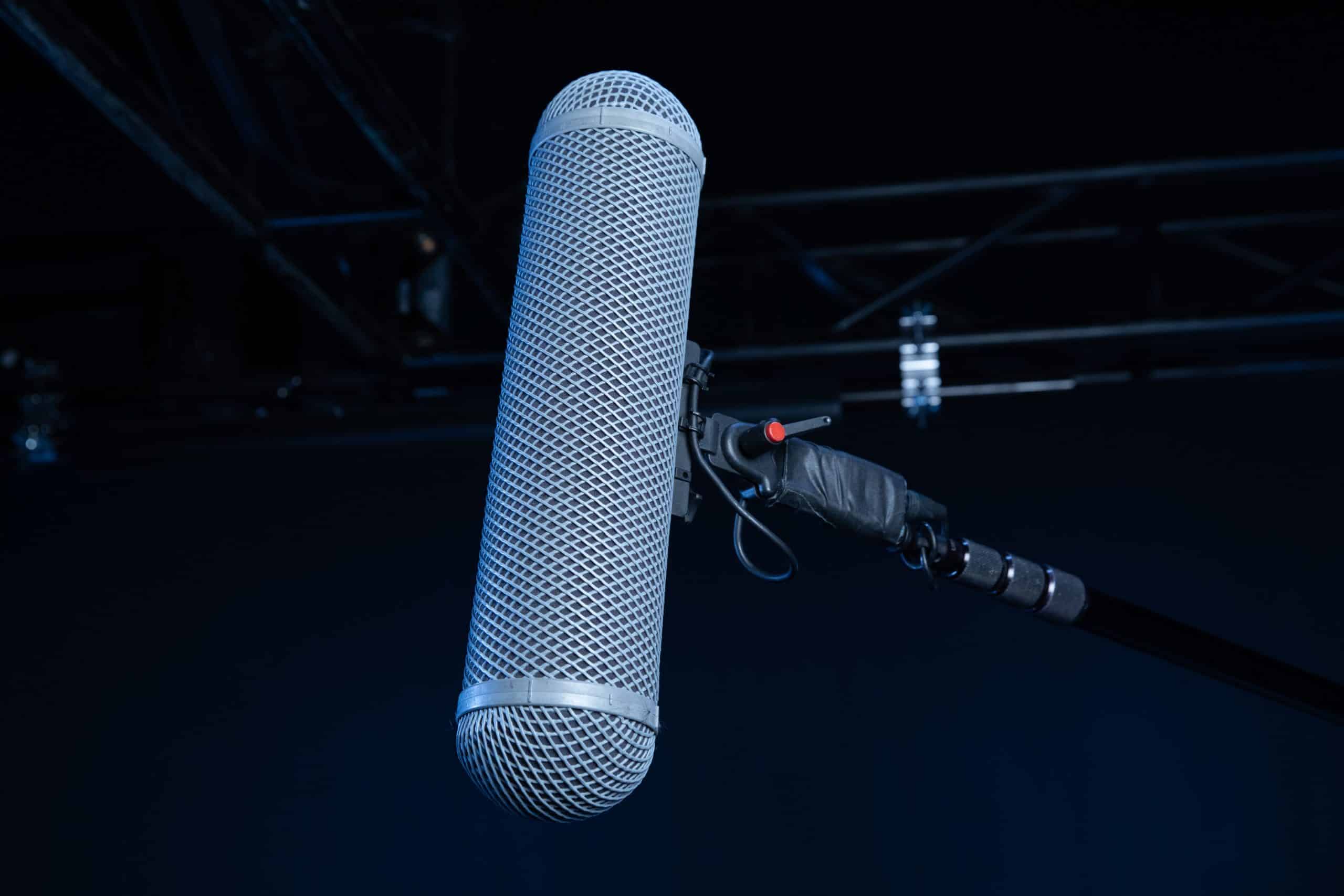
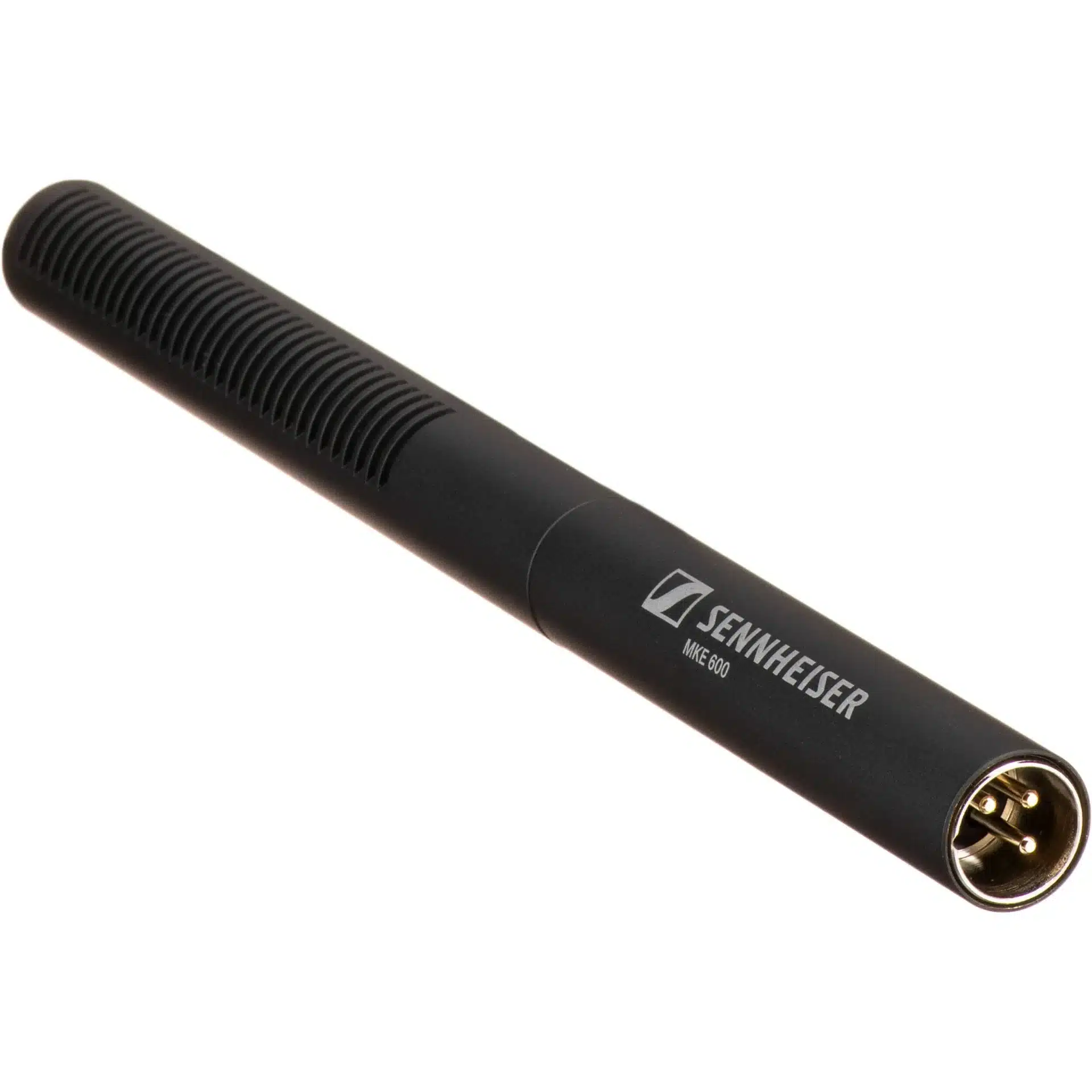
Shotguns like the Sennheiser MKE 600 mount to your camera rig and use directional pickup patterns to isolate sound directly in front of the lens.
Pros
-
Speed & Reliability: First and foremost, you simply slide it into the shoe mount, plug it in, and shoot. No channel syncing is required.
-
Natural Ambience: In addition, it captures realistic room acoustics and environmental atmospheric sound.
-
Zero Clothing Rustle: Moreover, since nothing attaches to the talent, physical friction noise is eliminated entirely.
Cons & Solo Risks
-
The Distance Dilemma: However, remember that mic placement always beats mic price. Therefore, if your camera is 10 feet back for a wide shot, your mic is also 10 feet away, resulting in thin, echoey audio.
-
Indoor Reflections: Likewise, highly directional tubes can warp audio when sound bounces off hard drywall or glass indoors.

Quick Comparison Guide
| Scenario | Best Choice | Why? |
| Street Interviews / Vox Pops | Shotgun | Fast deployment; no need to stop pedestrians to dress a mic. |
| Sit-Down Interviews | Wireless Lav | Keeps vocal levels completely consistent over long takes. |
| Wide / Walking Shots | Wireless Lav | Allows talent to move freely away from camera with crisp audio. |
| Echoey / Reverberant Rooms | Wireless Lav | Close capsule placement overpowers bad room reflections. |
| Events / Documentary B-Roll | Shotgun | Captures authentic ambient environment sound on the fly. |
The Hybrid Approach: Run Both
If budget permits, feed your wireless receiver into Channel 1 (Left) and a top-mounted shotgun into Channel 2 (Right) on your camera.
This delivers an isolated vocal track on Channel 1 alongside a natural room-tone backup on Channel 2. If a lapel mic rustles, you can seamlessly blend in the shotgun track in post.
Need Audio Gear for Your Next Shoot?
Don’t let bad audio pull viewers out of your story. At F11 Rentals, we carry everything from compact wireless systems to professional shotgun setups and field recorders.
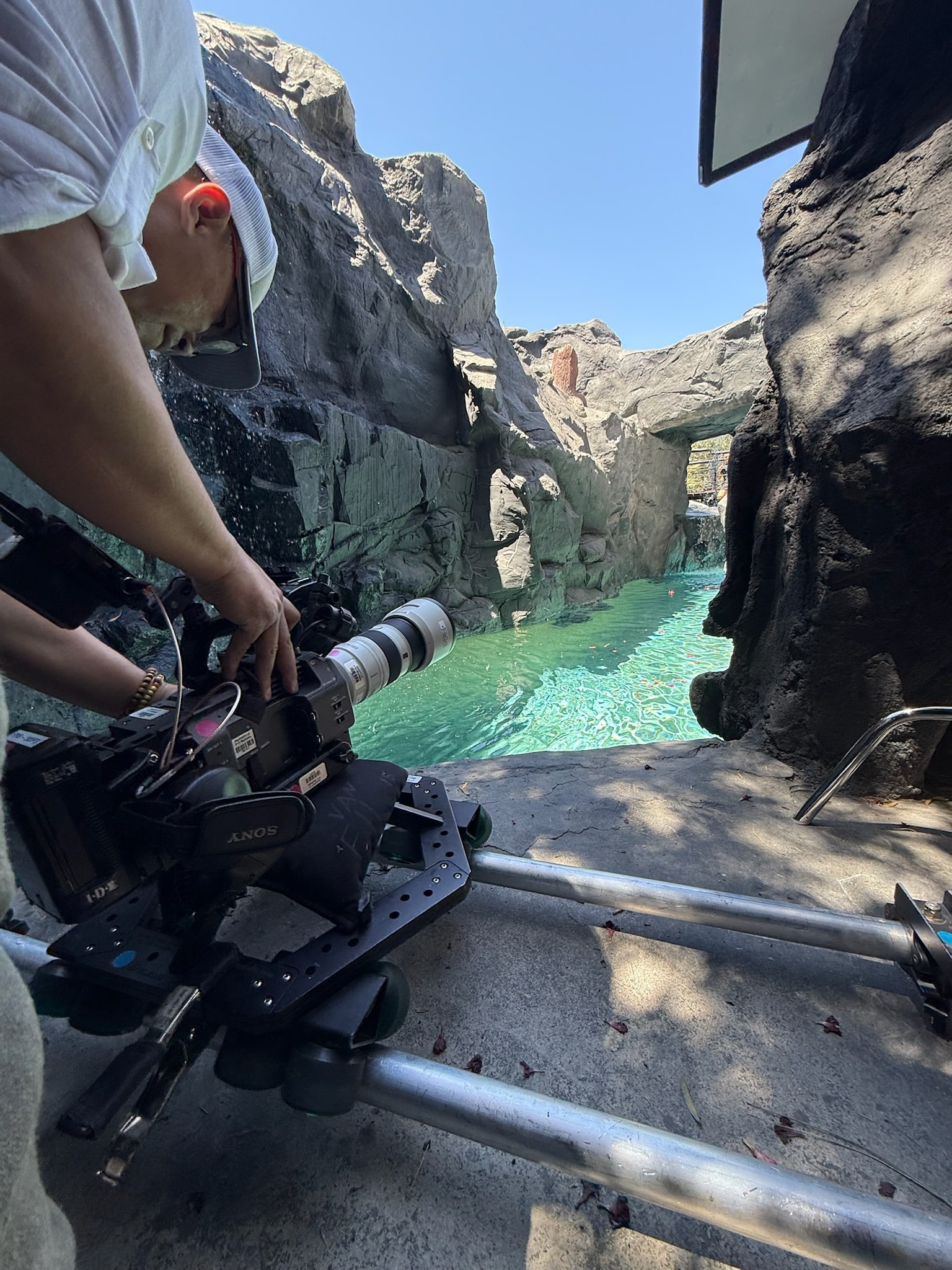
Local Production & Logistics (Las Vegas Niche).
The 1-Ton Sprinter: The Nimble Las Vegas Workhorse
People usually picture giant trucks blocking the Las Vegas Strip. But for tight schedules, multi-locations, or hotel suites, a massive truck is your worst enemy.
Enter our F11 1-Ton Sprinter. Built on a nimble, high-roof platform, it packs a punchy grip package without the bloated footprint.
What’s Inside:
Despite its compact footprint, we have meticulously organized this van to ensure no space is wasted. It comes packed with the essentials to control and shape light on any standard commercial or interview set:
-
A Complete C-Stand Package: A full complement of turtle-base and sliding-leg C-stands to get your flags and lights exactly where they need to be.
-
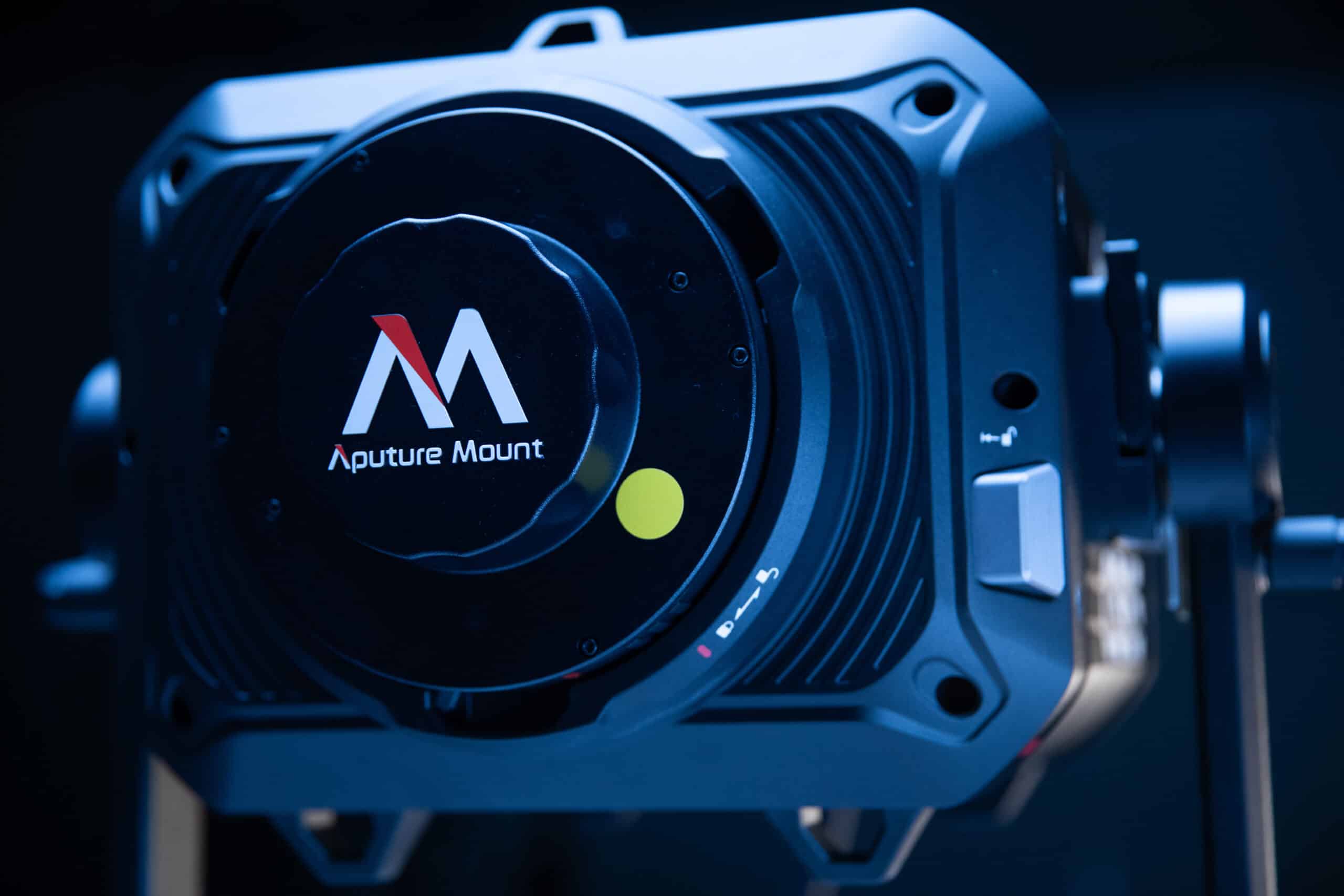
Medium-Duty Combo Stands: Sturdy enough to support heavier modern LED fixtures (like the Aputure 600d or 1200d) with ease.
-
Overhead Control: 6′ x 6′ frames featuring a versatile selection of rags (including silks, solids, and unbleached muslin) to instantly soften the harsh Nevada sun or create a perfect key light.
-
The “Vegas Essentials” Bundle: A robust assortment of apple boxes, sandbags, speedrail, and a wide array of grip clamps (Cardellinis, Mafer clamps, and scissor clamps for drop-ceilings).
Best Use Cases
-
High-End Corporate Interviews: Perfect for setting up a beautiful, controlled 2-camera interview in a corporate office or a luxury hotel suite.
-
Run-and-Gun Music Videos & Promos: Ideal when your director wants to shoot downtown at Fremont East, move to a dry lake bed, and finish with a night shoot on the Strip—all in a single 10-hour day.
-
Local Commercials & Docu-style Shoots: When your crew size is small (under 8 people) and every team member is wearing multiple hats.
The 3-Ton Isuzu Box Truck: The “Goldilocks” Mobile Warehouse
Some shoots just need more firepower. If you are filming a commercial, narrative, or music video with heavy rigging, you need a mobile warehouse.
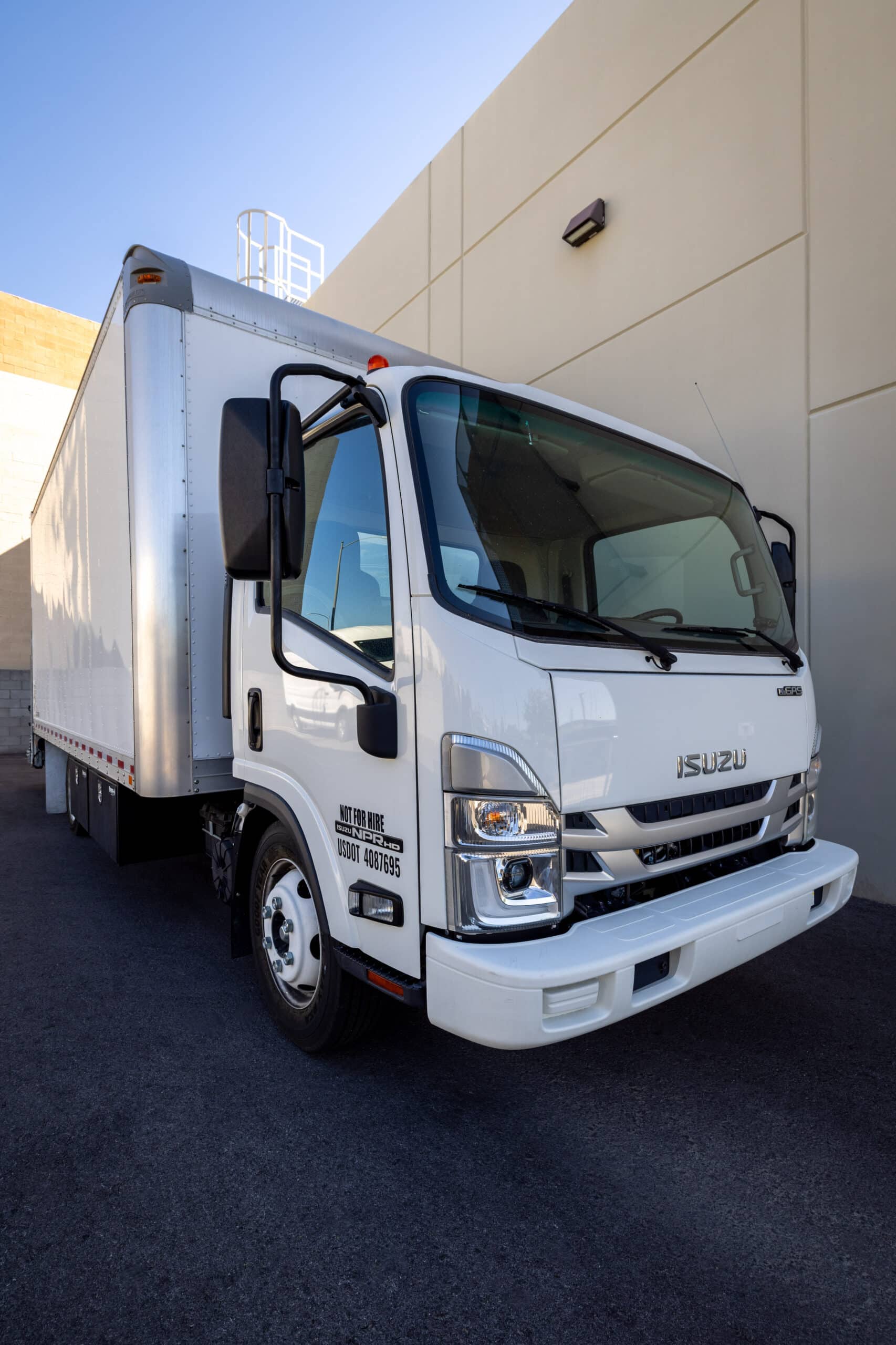
Our 3-Ton Isuzu Box Truck is the “Goldilocks” size. You get feature-film-level grip without needing a CDL to drive it.
What’s Inside (The Heavy-Hitters)
When you step up to the 3-Ton, you aren’t just getting more gear; you’re getting larger gear capable of transforming entire environments:
-
Massive Overhead Control: Full 12′ x 12′ frames with an array of fabrics (including Ultrabounce, Solid Blacks, Quarter/Half/Full Grid, and Poly Silks). If you need to tent a window or fight the blinding mid-day desert sun, this is how you do it.
-
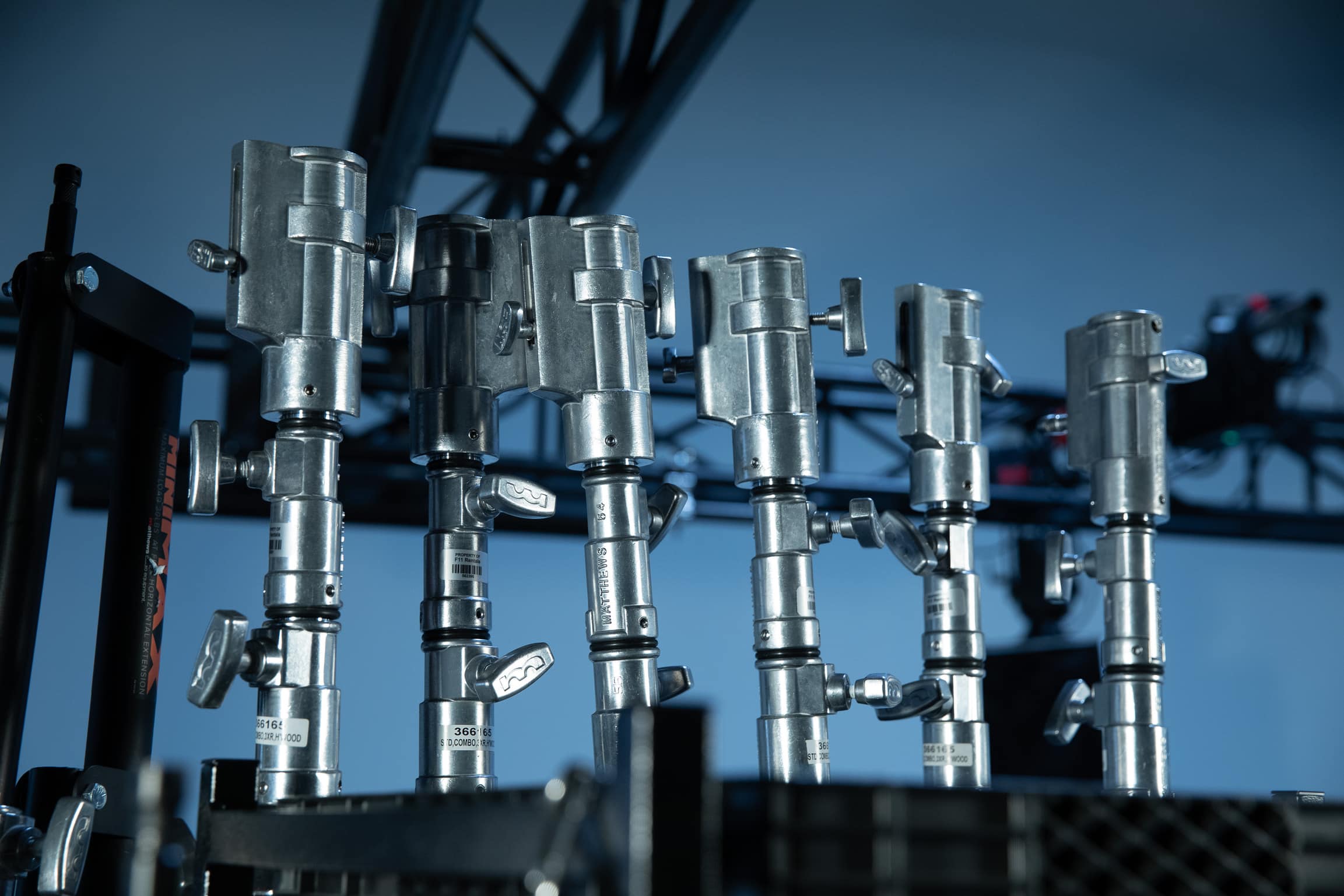
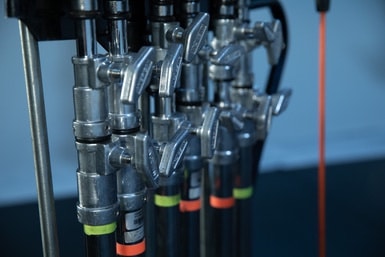
Heavy-Duty Rigging & Support: Includes heavy-duty Minivator II crank stands and steel combo stands designed to safely loft heavy lights 15+ feet in the air.
-
An Expanded Speedrail Package: Crucial for building custom goalposts, menu-board rigs, or mounting cameras to moving vehicles.
-
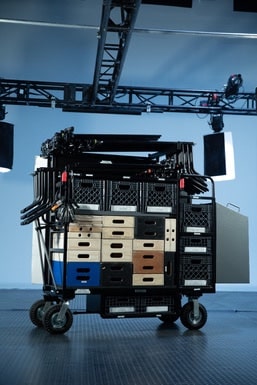
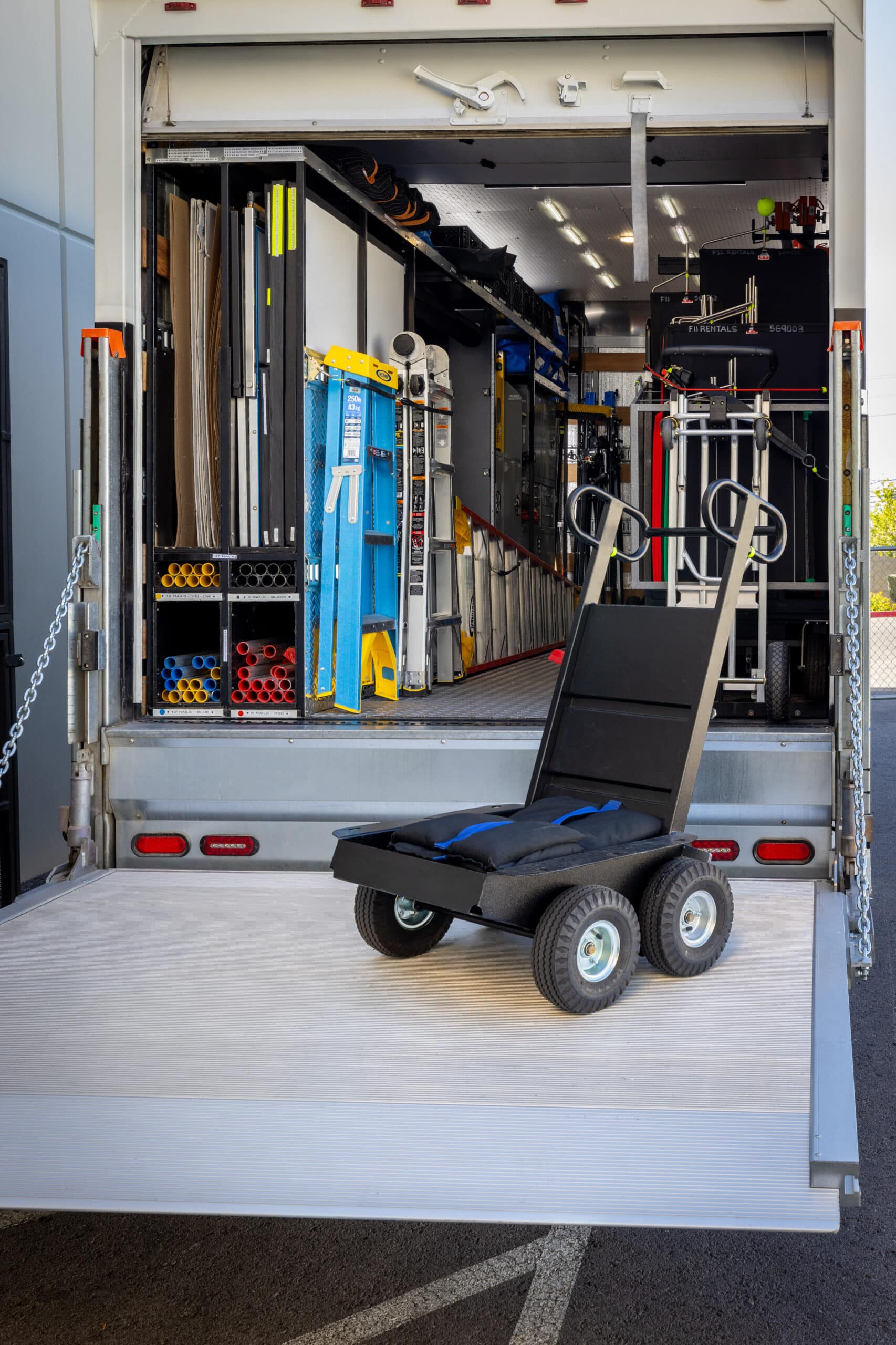
A Fully Cart-Based System: Unlike cheap rentals where gear is thrown into a pile, our 3-Ton features a modular cart system (including Super Duz-All, Taco, and C-stand carts). Your grip team can roll the exact cart they need straight onto the set, keeping the workspace clean and efficient.
Best Use Cases
-
Narrative Films & High-Concept Music Videos: When you are building stylized sets, lighting large indoor spaces, or creating dramatic moonlit night scenes.
-
National Commercial Spots: When agency clients are on set and you need absolute reliability, redundant gear options, and the ability to pivot the lighting setup on a dime.
-
Outdoor Desert Shoots: If you are shooting in the desert, you will need to fight the sun. A 12×12 frame is the bare minimum required to keep your talent shaded and looking cinematic under the harsh Nevada sky.
The Vegas Logistics Advantage
While you won’t park this in a casino garage, the 3-Ton is built to dominate major productions:
Hydraulic Liftgate for Speed: Vegas loading docks are intimidating. Our hydraulic liftgate lets you roll heavy carts straight onto the dock, cutting setup time in half.
The Ultimate Safety Net: Time is money on set. A 3-Ton truck on site means you never pause to send a runner back for a missing clamp. It’s all right there.
LED vs. HMI: Punching Through the Las Vegas Sun Without a Massive Generator
Whether you’re capturing high-speed action in the Valley of Fire, setting up a luxury corporate interview inside a glass-walled suite at the Cosmopolitan, or shooting a commercial on a downtown rooftop, the brutal Nevada sun remains your biggest production challenger.
For decades, cinematographers followed a clear law of the land: to punch through high-noon desert sunlight, you rented an HMI. However, times have changed. Thanks to ultra-high-output fixtures like the Aputure Electro Storm CS15, high-end LED tech has officially stepped into the heavyweight ring.
Consequently, swapping traditional HMIs for next-gen LED rentals is the smartest logistical move you can make for your next Las Vegas shoot.
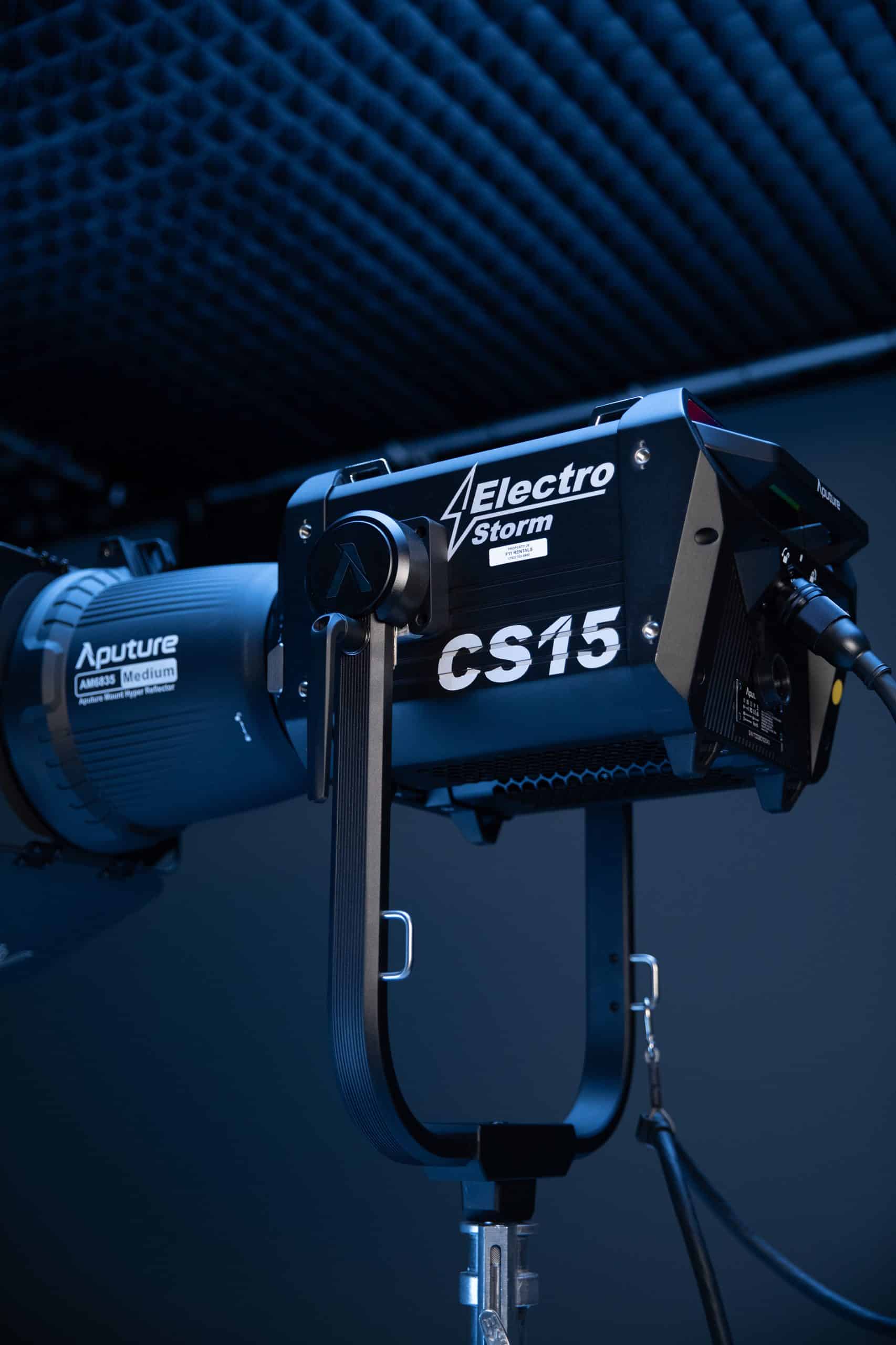
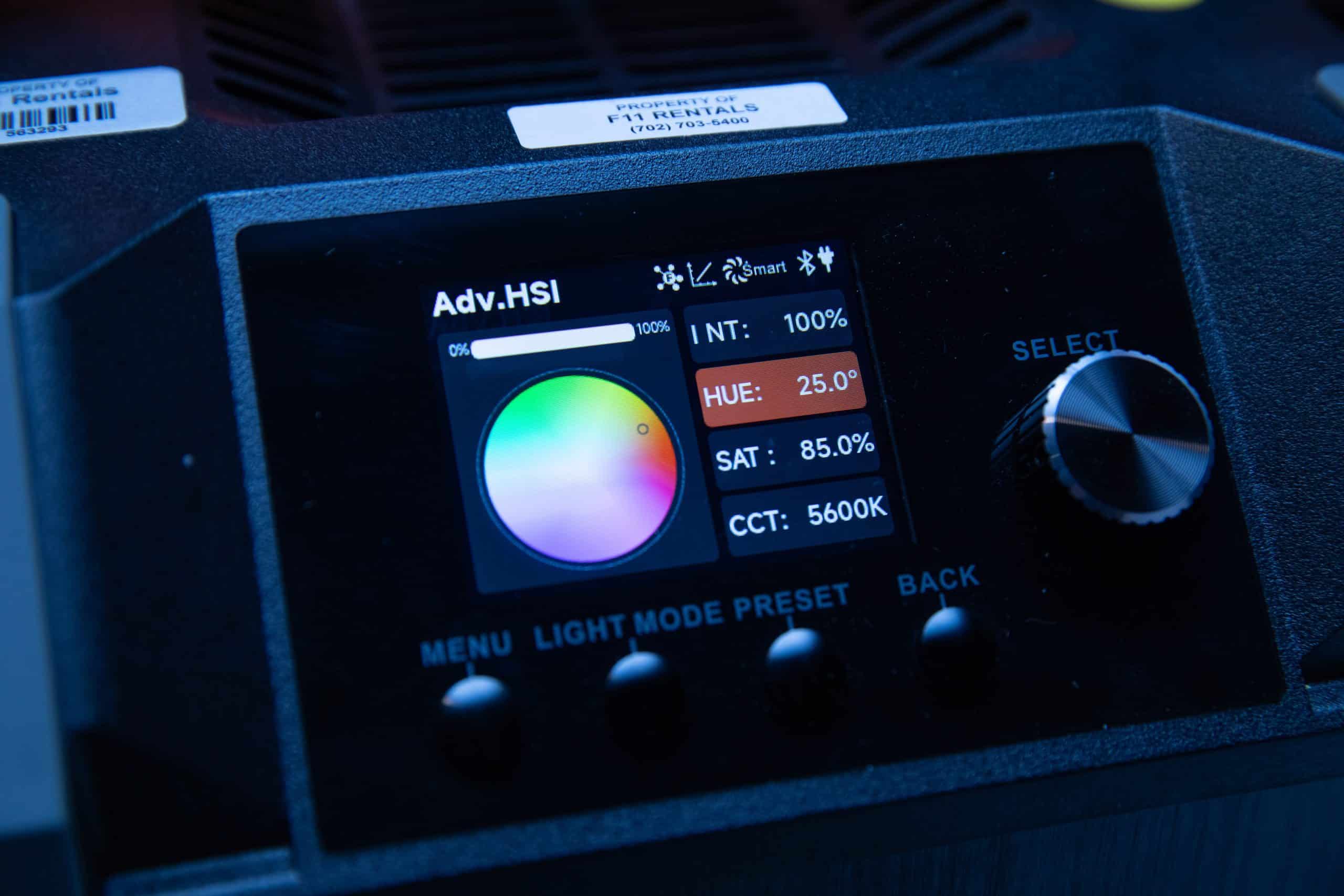
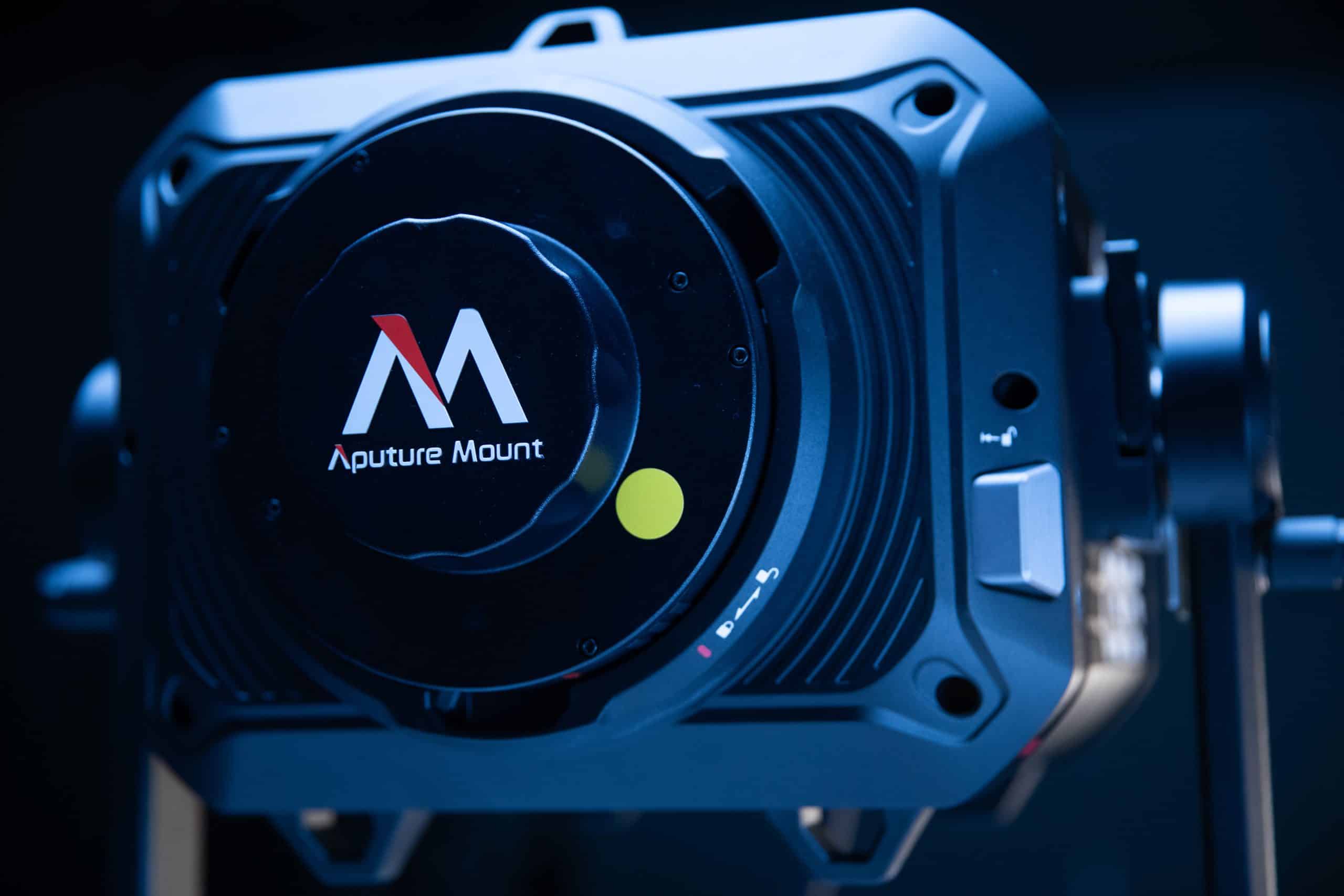
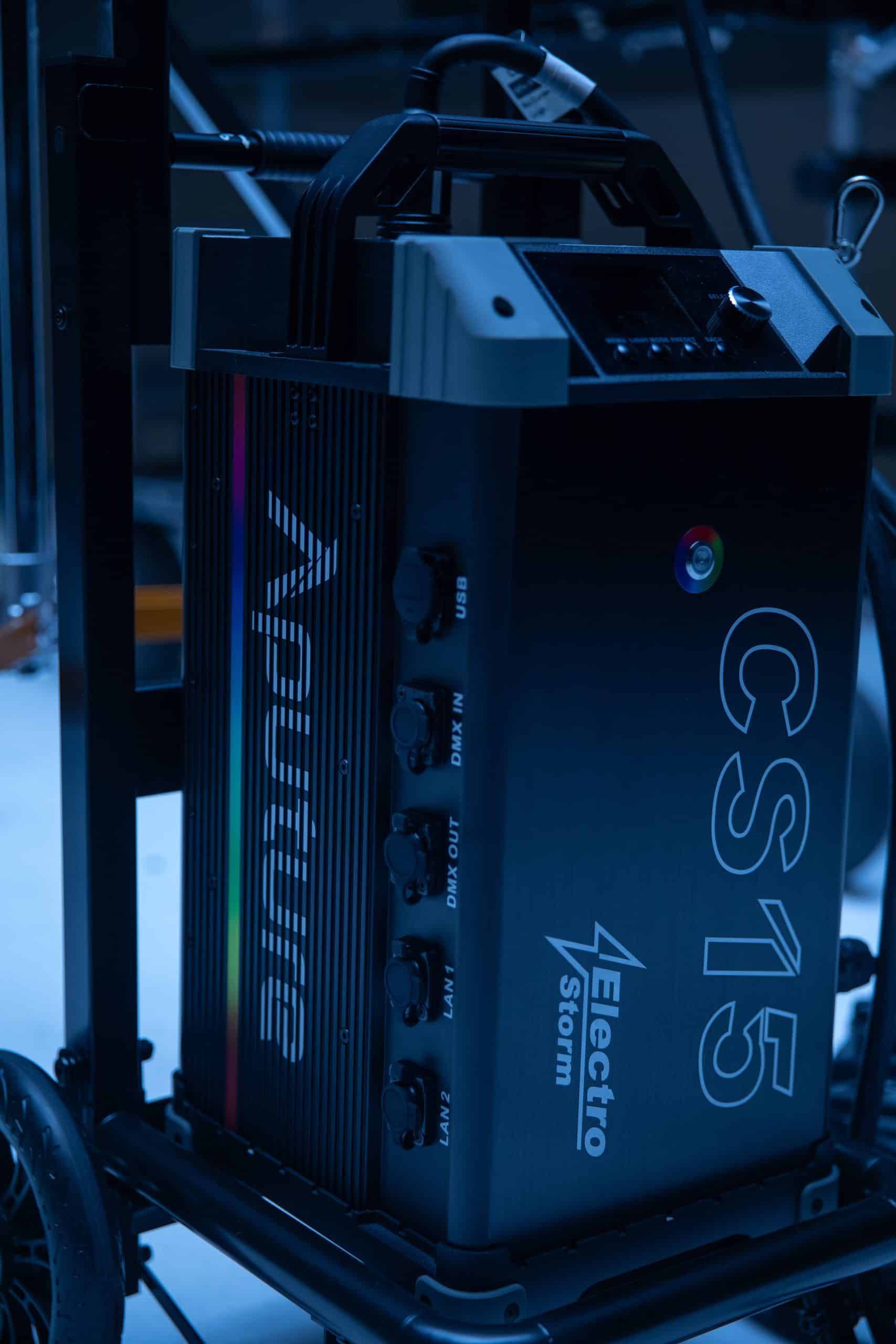
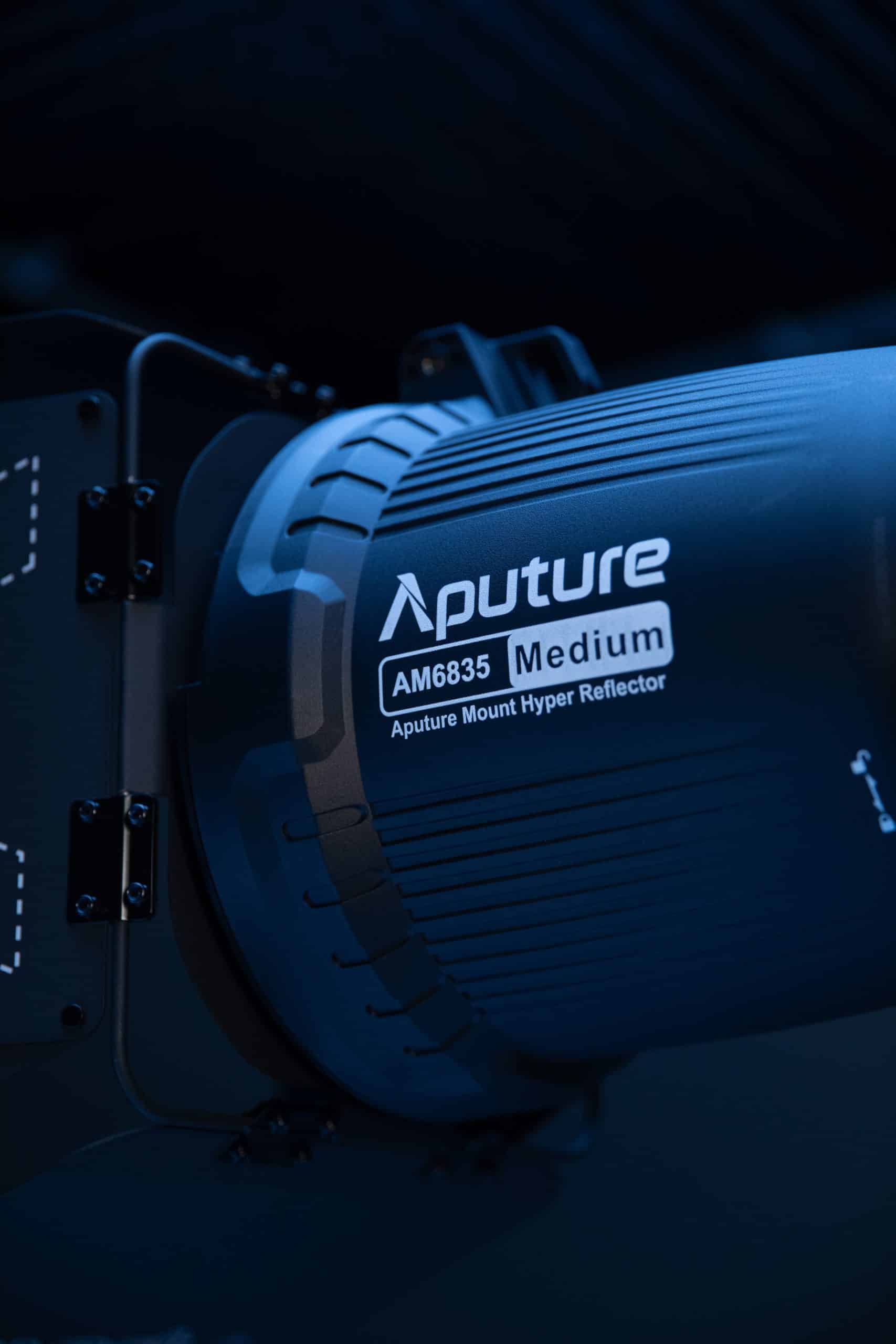
For decades, the cinematic law of the land was clear: if you wanted to punch through high-noon desert sunlight, you rented an HMI. However, times have changed. Thanks to the arrival of ultra-high-output fixtures like the Aputure Electro Storm CS15, high-end LED tech has officially stepped into the heavyweight ring.
Consequently, swapping traditional HMIs for next-gen LED rentals is the smartest logistical move you can make for your next Las Vegas shoot.
1. The Output Showdown: Matched Firepower
The hesitation with LED has always been simple: Is it bright enough? Traditional workhorses like an ARRI M18 are beloved because they produce an incredible amount of daylight-balanced punch. In comparison, the Aputure Electro Storm CS15 operates at a massive 1500W point-source output, which is specifically engineered to go toe-to-toe with an 1800W HMI. Furthermore, when you pair the CS15 with its auto-calibrating F14 Fresnel modifier, you get that piercing, sharp-shadowed beam needed to mimic or combat the sun.
More importantly, the LED doesn’t just match the brightness—it outsmarts it:
-
Traditional 1.8K HMI: Daylight only. Changing the color temperature requires physical gels, which unfortunately cuts your light output by roughly 30% to 50%.
-
Aputure CS15: Full RGBW (2,000k – 10,000k). Therefore, you can shift colors across the entire spectrum with zero drop in output efficiency.
2. The Power Play: Downsizing Your Truck
Beyond performance, high-output LED rentals revolutionize your power distribution and logistics.
Renting a traditional 1.8K HMI immediately tethers you to a highly restrictive power grid. Because these lights draw near the absolute limit of standard household circuits, they frequently trip breakers in hotel suites. Alternatively, if you shoot out in the desert, this power draw forces you to tow a massive, noisy diesel generator. As a result, you compromise your sound recordist, triple your footprint, and upgrade your production to a heavy 3-ton box truck just to haul the gear.
On the other hand, the CS15 flips the script:
-
Smart Ballast: It automatically optimizes its power draw on standard 15A or 20A Edison wall outlets, allowing you to shoot at full blast indoors without blacking out the floor.
-
Silent Battery Power: For remote desert locations, silent, portable battery stations power the CS15 seamlessly, eliminating the need for a roaring gas generator.
The Budget Bottom Line: Ultimately, choosing LED allows production managers to downsize their logistical footprint from a heavy-duty box truck package to a nimble 1-ton Sprinter Grip Truck—saving thousands in vehicle fees, gas, and crew labor.
3. Desert-Proof Reliability & Speed
Las Vegas productions subject gear to punishing environments. Rough, bumpy drives out to Red Rock Canyon can fracture fragile HMI globes before they even leave the case. Additionally, if a sudden desert windstorm kicks up dust or rain hits a scorching-hot HMI lens, the glass can violently shatter.
In contrast, the Electro Storm CS15 is built explicitly for modern rental ruggedness. Featuring an IP65 dust and water-resistant rating, its enclosure is completely sealed against the elements. Meanwhile, its advanced liquid-cooling technology manages internal thermals effortlessly, even under a blazing Nevada sky.
Finally, LED saves you massive amounts of time on set. Instead of waiting ten minutes for an HMI bulb to cool down just to move a stand, the CS15 offers instantaneous restrike. Moreover, with wireless control via Sidus Link or CRMX, your gaffer can tweak, dim, or color-correct an overhead fixture right from their iPad.
The F11 Verdict
In conclusion, while traditional HMIs still have their place, next-gen LEDs offer the flexibility, speed, and cost-efficiency that modern Vegas productions demand.
Ready to streamline your next Nevada shoot? Reach out to the team at F11 Rentals today to add the Aputure Electro Storm CS15 to your camera and lighting package.
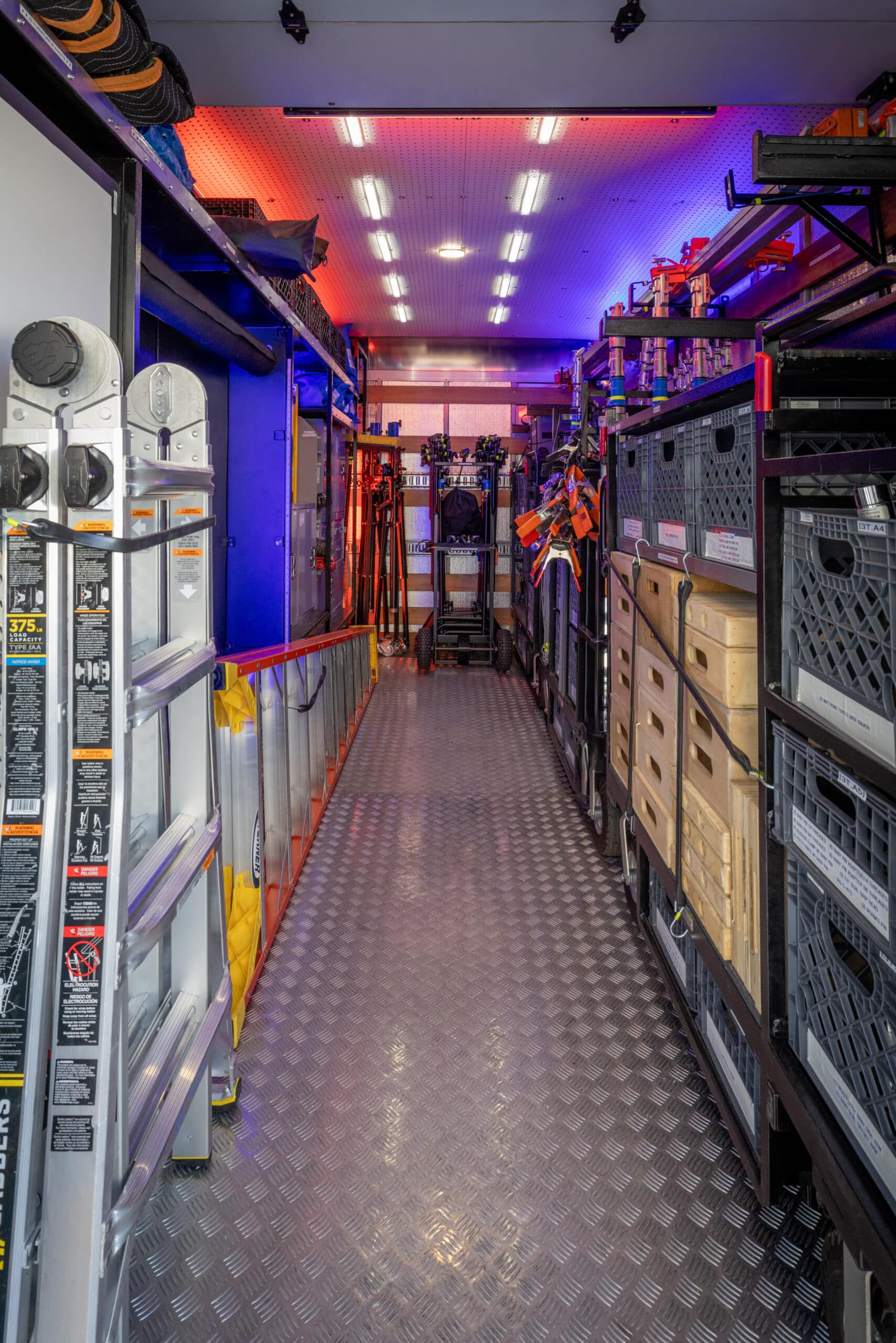
What's in a Las Vegas Grip Truck? Breaking Down the 1/2-Ton, 1-Ton, and 3-Ton Packages
f you’ve ever called a Las Vegas rental house and heard “we can send a 1-ton” without fully knowing what that means, you’re not alone. Grip truck sizing is one of those industry shorthands that gets tossed around on breakdowns and call sheets like everyone already knows the difference — but a lot of producers, especially those newer to the field or visiting Las Vegas from out of town, are quietly Googling it at 11pm the night before a shoot.
To help clear that up, this post breaks it down clearly: what’s physically in each truck, what productions each size is built for, and how to know which one you actually need.
First, What Is a Grip Truck?
A grip truck is a production vehicle pre-loaded with grip and lighting gear — the physical infrastructure of a film or video shoot. We’re talking C-stands, flags, diffusion, sandbags, overhead frames, lighting fixtures, power distribution, expendables, and more.
The key word is pre-loaded. You’re not renting an empty truck and sourcing your own gear. You’re getting a ready-to-deploy package, built and organized by people who work on Las Vegas sets every week. At F11, every grip truck also comes with a driver, grip, or PA — because a truck without someone who knows how to use it isn’t much of a rental.
The “ton” designation refers loosely to the vehicle’s cargo capacity and scales with the size and complexity of the gear inside. With that in mind, here’s what each level looks like in practice.
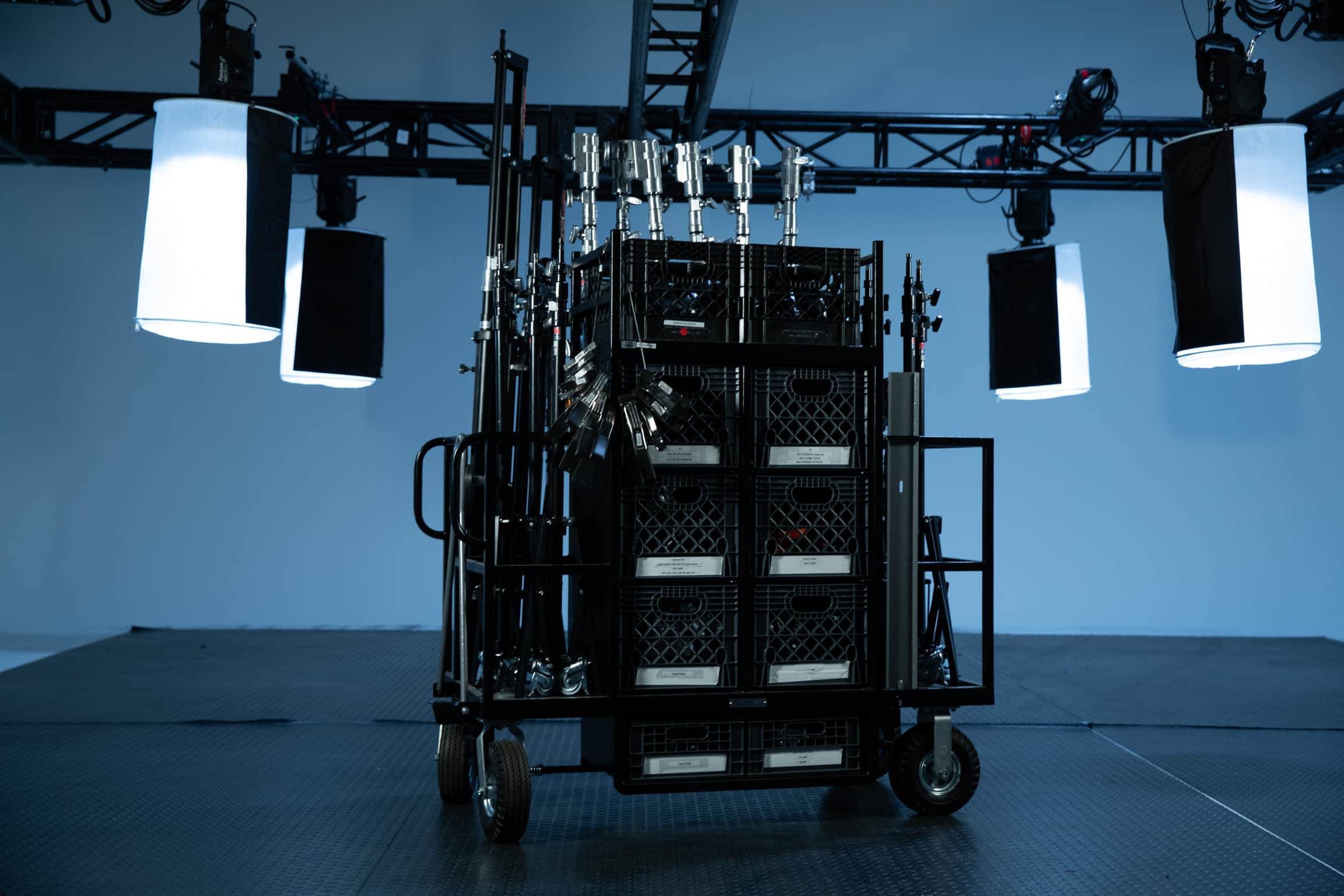
The 1/2-Ton Grip Van:
Best for: Commercials, music videos, run-and-gun shoots, small crew single-camera setups
The half-ton is the most nimble option in the fleet. It fits into tight locations, parks where a larger vehicle can’t, and gets in and out fast — which matters more than people realize on fast-moving production days in Las Vegas.
What you’ll find inside:
- C-stands and baby stands
- Flags, nets, and diffusion frames
- Light-duty overhead frames
- Sandbags
- Basic grip expendables (tape, black wrap, gels)
- Compact lighting package
This truck is the right call when your shoot is one or two cameras, you’re moving between locations throughout the day, and you don’t need a full rigging setup. Corporate videos, social content, music videos, and smaller Las Vegas commercials are the sweet spot. On top of that, it’s also the most cost-effective option when you know what you need and don’t want to pay for gear that’ll stay in the truck all day.
The 1-Ton Sprinter:
Best for: Mid-size narrative, commercial work, two-camera setups, multi-location days
Stepping up from the half-ton, the 1-ton is the workhorse. . It’s the truck most productions end up booking once they’ve done a real scout and prepped an honest shot list. It steps up the lighting package significantly and carries enough overhead and rigging gear to handle a wider range of setups — interior and exterior — without leaving anything critical behind.
What you’ll find inside:
- Full C-stand package
- 4×4 and 6×6 frames with silks and blacks
- Expanded flag and diffusion set
- Medium-duty grip package (speed rail, pipe clamps, junior/baby combo stands)
- More robust lighting package — HMIs, LED panels, or tungsten depending on configuration
- Expanded expendables kit
This is the truck for productions that need to be ready for multiple setups in a single day, where the DP might call an audible and need a bigger overhead or bounce. The 1-ton doesn’t leave much out. As a result, if you’re unsure whether you need a half-ton or a 1-ton, the answer is usually the 1-ton.
The 3-Ton:
Best for: Features, large commercials, multi-day productions, full rigging needs
The 3-ton is a full-scale production package. This is what you call when you’re shooting something that requires comprehensive overhead rigging, multiple lighting setups running simultaneously, or anything that a smaller truck would be playing catch-up on by mid-morning.
What you’ll find inside:
- Complete C-stand and combo stand package
- 12×12 overhead frames — silks, blacks, grids
- Full speed rail package
- Arri tungsten kits + supplemental LED and HMI
- Comprehensive power distribution
- Full expendables load-out
- Everything the smaller trucks carry, at higher quantity
For visiting productions coming into Las Vegas from LA or elsewhere, the 3-ton is often the first call. Because of that, it means you don’t have to piece together gear from multiple Las Vegas vendors or worry about gaps in your package when you’re already dealing with logistics, permits, and a crew that flew in the day before.
How to Choose the Right Size
The honest answer: build your shot list first, then call us. The grip truck decision should follow from what you’re actually planning to shoot — not the other way around.
To point you in the right direction, here are a few guiding questions:
How many setups are you shooting in a day? More setups means more gear in active rotation, which means more truck.
Are you shooting Las Vegas exteriors? Desert sun is brutal — especially in summer when temperatures push past 110°F. Overhead diffusion and flag work is not optional on location here — make sure your package covers it.
What’s your lighting approach? A DP who works with a lot of practicals and minimal lighting gear has different needs than one who builds every setup from scratch with HMIs and full overhead frames.
Are you traveling between Las Vegas locations? The half-ton moves faster through traffic and fits tighter parking. By contrast, the 3-ton is better when you’re planted at one or two locations and need everything at arm’s reach
Even so, if you’re still not sure, that’s what we’re here for. Call us with your shot list and we’ll tell you which package fits — and we’ll build custom loads if your production needs something beyond the standard manifest.
One Roof, One Call
F11 is the only production rental house in Las Vegas that combines grip trucks, cameras, lighting, and an on-site cyclorama studio under one roof. s a result, out-of-town productions can source their full package — grip truck, camera gear, studio space — in a single conversation, with a crew that’s ready when your team arrives
Ready to book? Contact F11 Rentals and we’ll have your package dialed in before day one.
Out-of-State Production Company? Here's What to Know Before You Bring a Crew to Las Vegas
So you’ve got a shoot in Las Vegas. Maybe it’s a national commercial on the Strip, a music video in the desert, or a corporate production at one of the convention properties. Whatever it is, you’ve probably realized that flying in a full crew and trucking gear cross-country doesn’t make a lot of financial sense — and you’re right.
Las Vegas has a real, working production infrastructure. But if you’ve never shot here before, there are a few things worth knowing before you land.
Vegas Is Not Just a Location — It’s a Production Market
It’s easy to think of Las Vegas as a backdrop: neon lights, casinos, desert. But the city has been quietly building out a legitimate film and video production ecosystem for years. There are working DPs, gaffers, audio techs, PAs, and post-production crews based here full-time. You don’t need to import your entire team.
What that means for your budget: if you’re flying in from LA, New York, or Chicago, you can realistically bring your key creatives and source the rest locally. That’s a significant line-item difference.
Permits: Know Before You Show Up
Las Vegas has multiple jurisdictions, and which one matters depends entirely on where you’re shooting.
- The Las Vegas Strip is largely on unincorporated Clark County land, managed by the Clark County Business License Department. Many casino properties also require their own production agreements separate from any county permit.
- City of Las Vegas covers downtown and surrounding neighborhoods. That’s a separate permit process through the City’s Special Events office.
- Henderson, North Las Vegas, and Boulder City each have their own permitting requirements.
Start your permit research 3–4 weeks out, not 3–4 days. And if you’re shooting on or near casino property, budget extra time — some properties require full script review and have restrictions on what can be shown in frame.
The Heat Is Real — Plan Your Schedule Around It
If you’re shooting outdoors between May and September, you need to build the heat into your production schedule. Las Vegas summers routinely hit 110°F or higher. That affects your crew, your talent, and your equipment.
A few practical notes:
- Golden hour is short and intense. The desert light in the early morning and late evening is exceptional. Midday is brutal and flat. Plan accordingly.
- Camera gear has thermal limits. Check manufacturer specs for your specific bodies and lenses. Some equipment will shut down or warn at high ambient temperatures.
- Crew welfare is a real consideration. Bring shade structures, water, and cooling. This isn’t optional — it’s a production safety issue.
If you need a controlled environment, our cyclorama studio is climate-controlled, quiet, and off the flight path — a 26 x 34 x 36 three-walled cyc that can be painted any color to match your production requirements. It comes with a dedicated makeup container, on-site support staff, and none of the weather variables.
Crewing: Who to Call and How Far Out
Las Vegas has a working local crew base, for big production windows — especially around major conventions like CES, NAB, or SEMA — local crew books up fast.
Rule of thumb: If you’re shooting during or within two weeks of a major convention, reach out to crew and rental houses the moment your dates are confirmed. Waiting until three weeks out during a busy convention period is a real risk.
F11 Rentals maintains a network of experienced local crew — DPs, audio technicians, gaffers, grips, and PAs. If you’re building a crew from scratch for a Vegas shoot, we can help connect you with the right people for your production size and budget.
One Partner, Less Logistics Overhead
The easiest way to run a Las Vegas production as an out-of-state company is to establish one solid local relationship that covers as much ground as possible. Equipment rentals, crew referrals, studio space, and local production knowledge — the fewer vendors you’re managing, the less coordination overhead you’re dealing with from 1,500 miles away.
That’s exactly what F11 Rentals is built for. We’re a Las Vegas-based rental house built by working crew, and we’ve supported productions from independents to nationals.
Get in touch before your dates are locked. It’s easier to plan around your production than to retrofit around our availability.
Corporate Video vs. Commercial Shoot in Las Vegas: How Gear Needs Differ
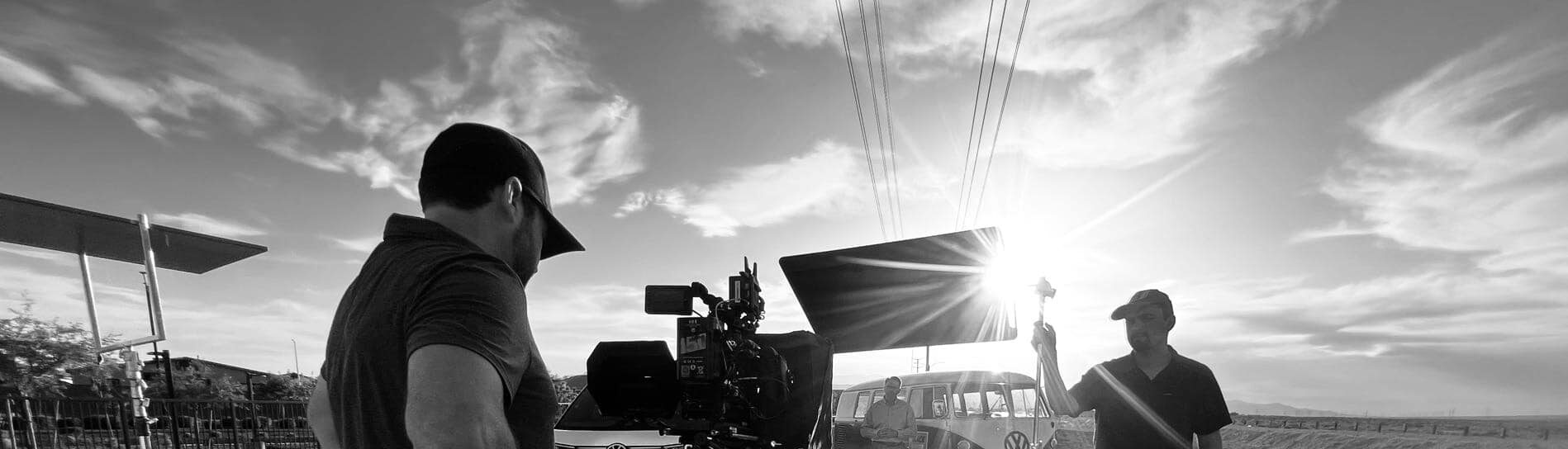
Las Vegas is one of the most filmed cities in the world. Every week, crews arrive for everything from Fortune 500 corporate videos to high-budget national commercials. While both keep F11 busy — the gear lists look very different.
The Core Difference: Controlled vs. Cinematic
At its core, corporate video is built around clarity and efficiency — think executive interviews, product demos, and culture pieces. Commercial production, on the other hand, is built around visual impact, where every frame is deliberate and every shadow is placed.
Cameras & Lenses
Corporate Video For most corporate shoots, the Sony FX3 or Canon C80 covers everything you need. Both are compact, easy to run with a small crew, and a versatile zoom like a 24-70mm handles interviews and B-roll without needing a focus puller.
Commercial Production When it comes to commercials, however, the demands are higher. F11’s Sony Burano — a full-frame 8.6K cinema camera with built-in NDs — delivers the image quality commercial clients expect. Paired with cinema primes, it holds up against any national-level production standard.
Beyond the Burano, F11’s full camera lineup includes:
- Sony Burano — flagship for high-end commercial work
- Canon C400 — workhorse for narrative and commercial shoots
- Canon C80 — compact, great for corporate and documentary
- Sony FX9 — full-frame with fast AF for doc-style commercial content
- Sony FX6 — lightweight full-frame for run-and-gun or B-camera
- Sony FX3 — ideal for gimbals and tight spaces
- Canon 5D MK IV — stills and video hybrid
- Sony A7S M.2 — low-light specialist for nightlife or event coverage
Lighting
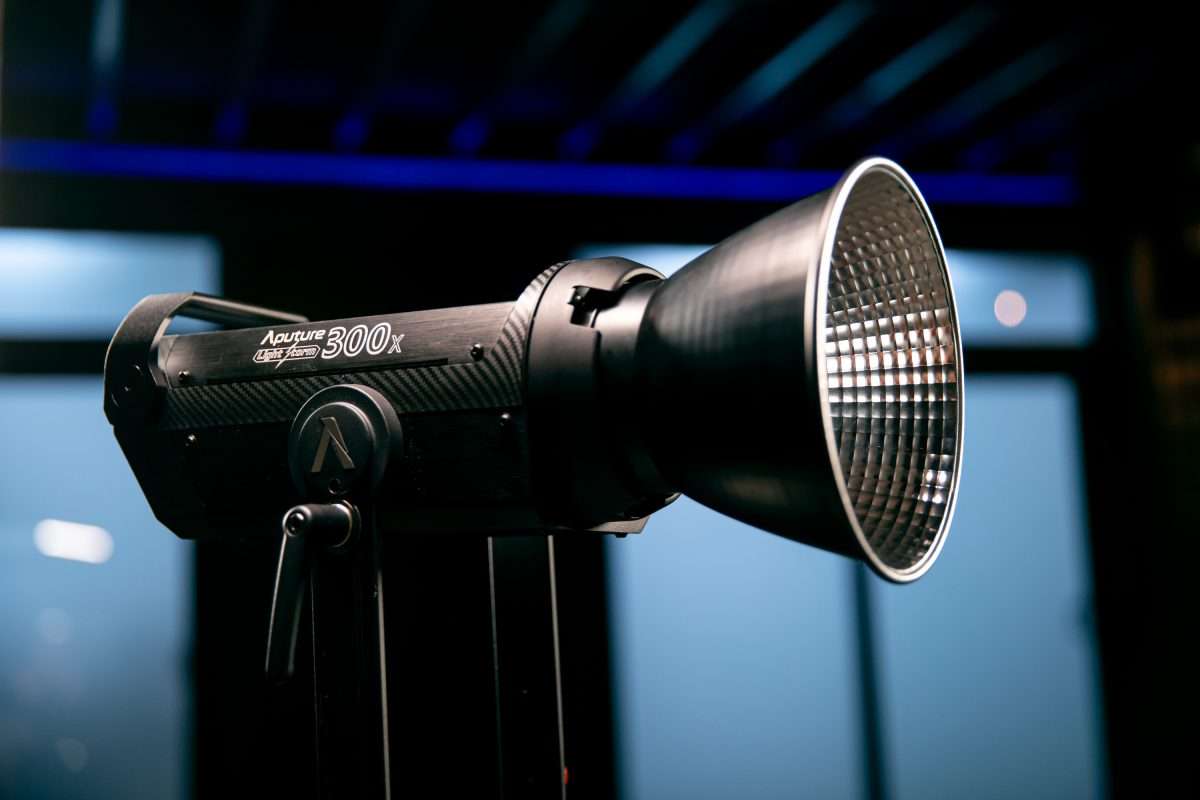
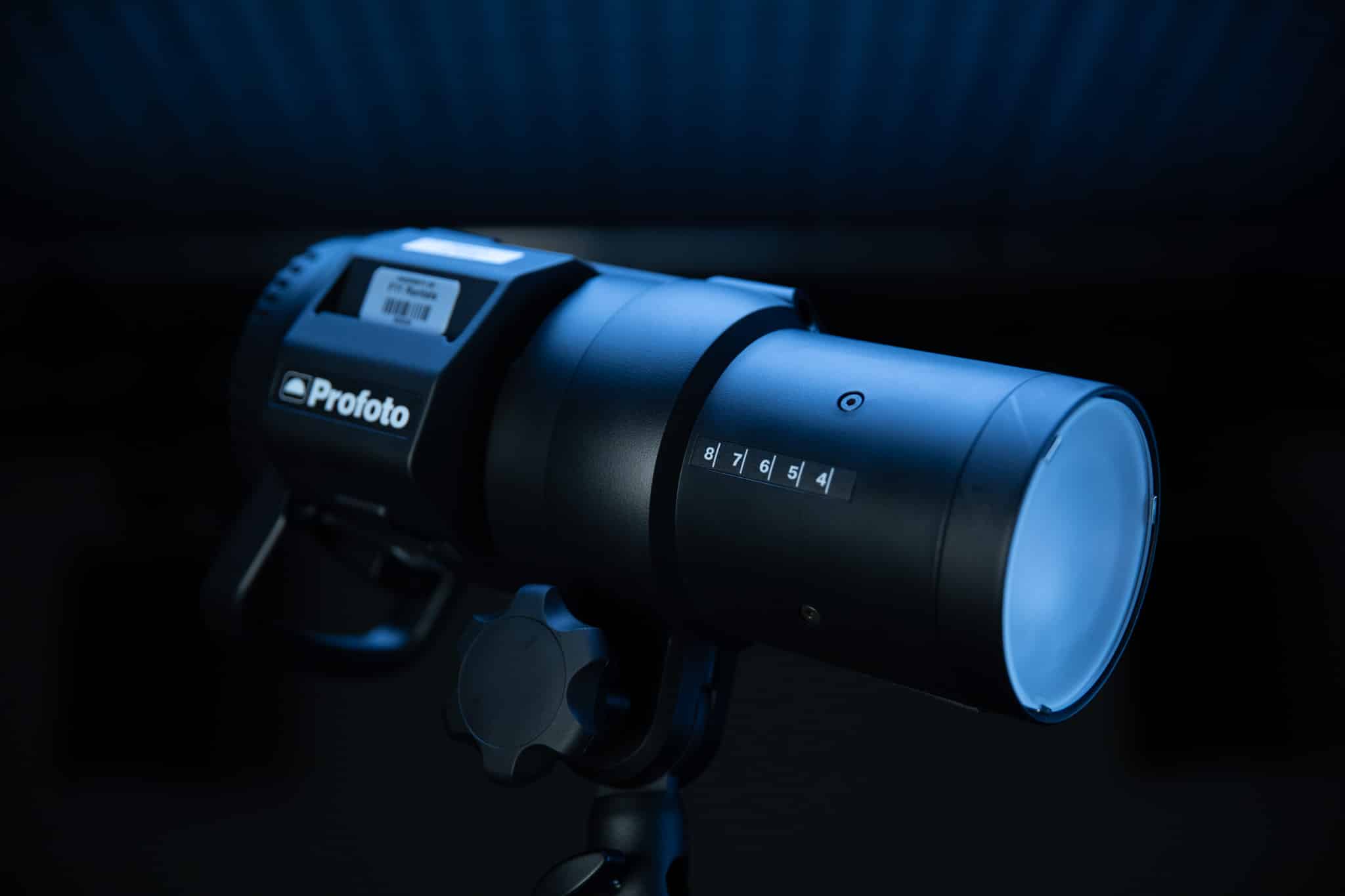
Corporate Video Similarly, corporate lighting keeps things efficient. A compact 2- or 3-light interview setup does the job. LEDs like the Aputure 300x or Profoto B1X are fast to set up and color-accurate — especially important when fighting mixed ambient light in Las Vegas offices or conference rooms.
Commercial Production Commercial lighting, by contrast, is a different animal entirely. Larger fixtures Like the Aputure CS15, dedicated Gaffer/G&E crews, and deliberate color-graded looks define the rig. Furthermore, for outdoor Las Vegas commercial work, diffusion, negative fill, and flagging are non-negotiable given the extreme sun and heat.
Grip & Support
Corporate shoots run lean — a fluid head tripod, C-stands, and maybe a gimbal. Commercial productions, however, pull from a much deeper inventory: dollies, dance floors, specialty rigging, and larger diffusion frames. As a result, that’s where the 3-ton grip package earns its place.
Studio vs. Location
One of the most common questions we get at F11 is whether a production should book the cyclorama studio or shoot on location around Las Vegas.
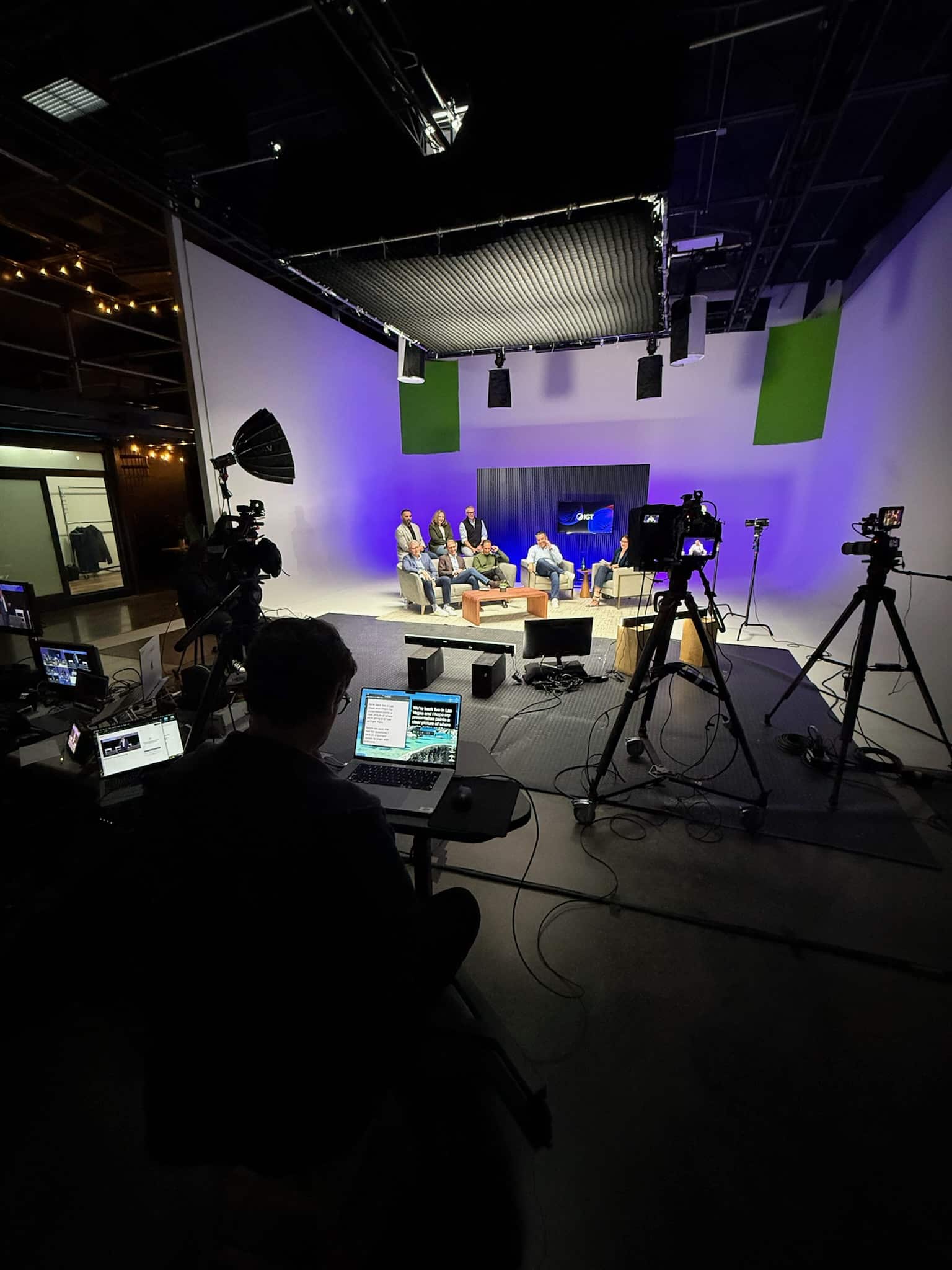
For corporate work, location often wins — shooting in the client’s office or facility adds authenticity and saves budget. But for product-focused commercial shoots, the cyc is hard to beat. The ability to control every variable, paint the background any color, and have rental gear steps away from set makes the studio an efficient, cost-effective choice for commercial clients.
Crew Considerations
Corporate Video typically runs lean: a DP who also operates, maybe a producer, and a PA. The whole operation might fit in a 1-ton sprinter.
Commercial Production brings a full crew — Director, DP, 1st AC, Gaffer, Key Grip, Sound Mixer, Art Department, and more. Coordinating crew in Las Vegas means having a reliable local network, which is something F11 can help with through its crewing services.
Bottom Line
There’s no one-size-fits-all rental package in Las Vegas production. Whether you’re setting up a clean executive interview or producing a full-scale commercial, the right gear starts with understanding the demands of your specific project.
At F11 Rentals, we work with both corporate and commercial productions every week. Tell us what you’re shooting, and we’ll build a package that fits your timeline, your crew size, and your creative vision.
Ready to book? Contact F11 Rentals or call (702) 703-5400 to talk through your next project.
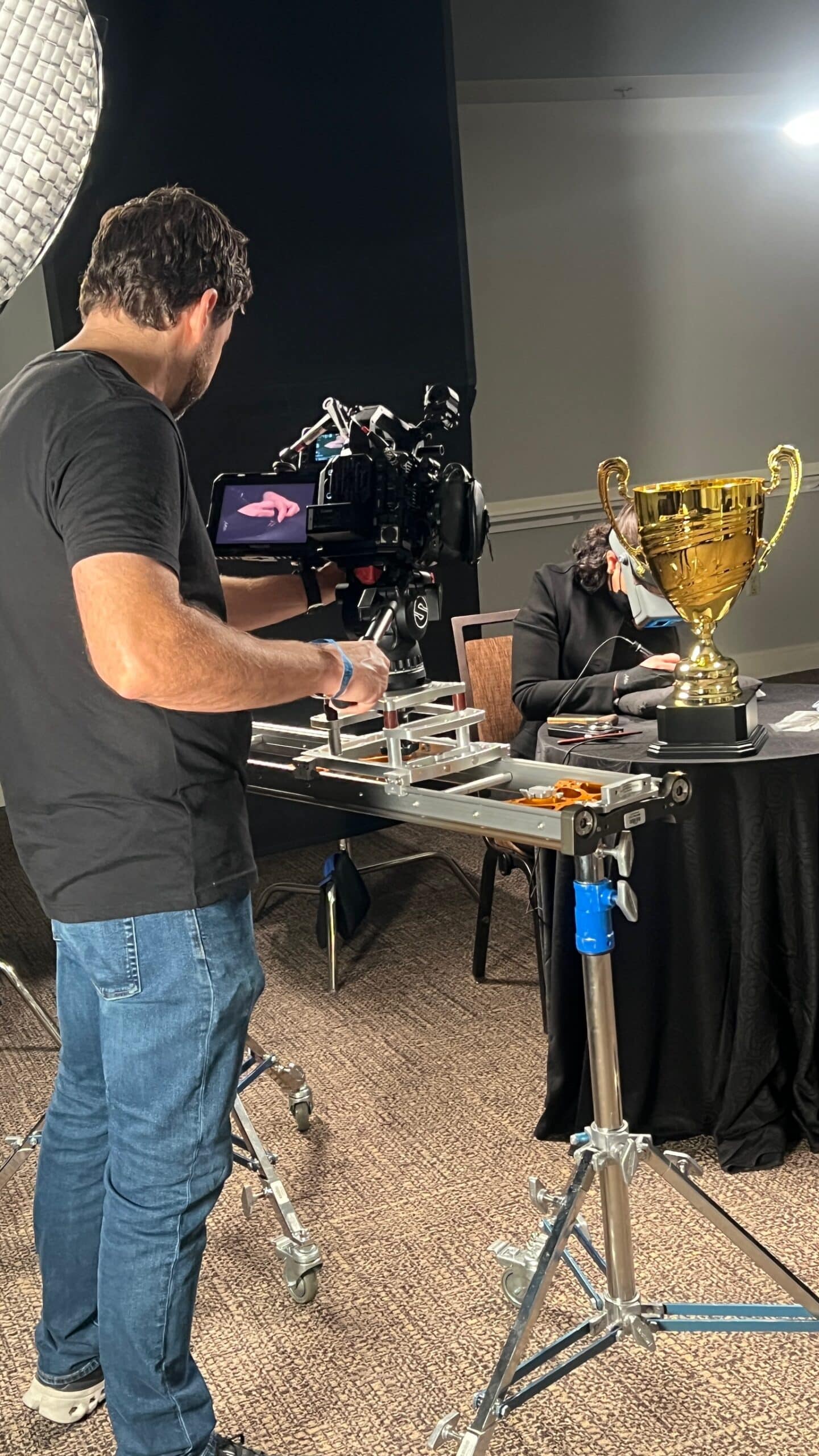
Gimbal vs. Tripod vs. Slider: The Las Vegas Filmmaker's Guide to Camera Support
Shooting on the Strip, in the desert, or inside a Vegas venue? Your camera support choice shapes everything. Pick the wrong tool and your footage suffers. With that in mind, here’s how to match the right gear to your vision — from your local Las Vegas rental house.
The Tripod
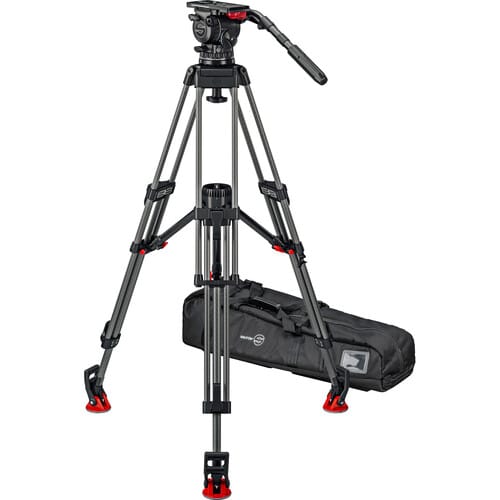
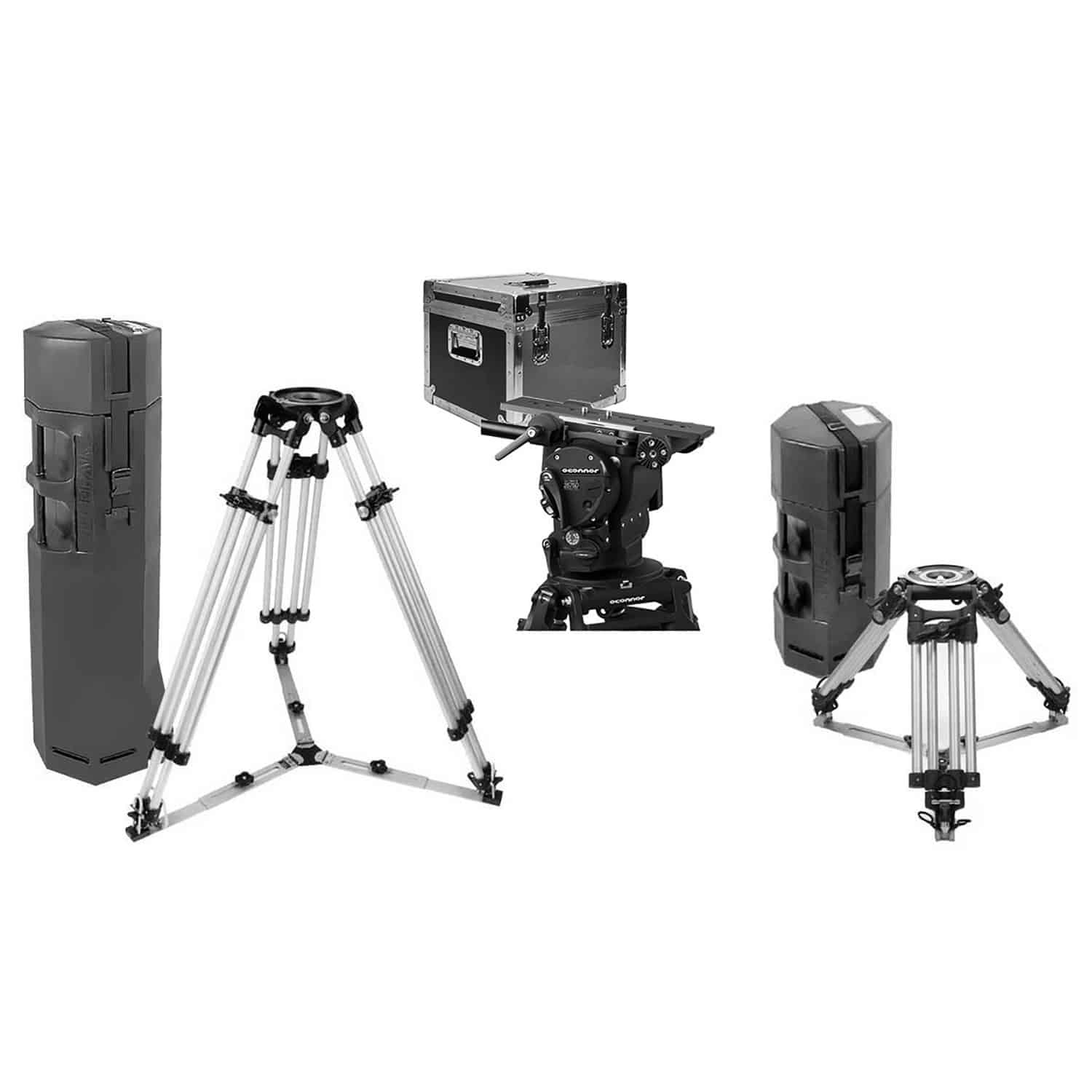
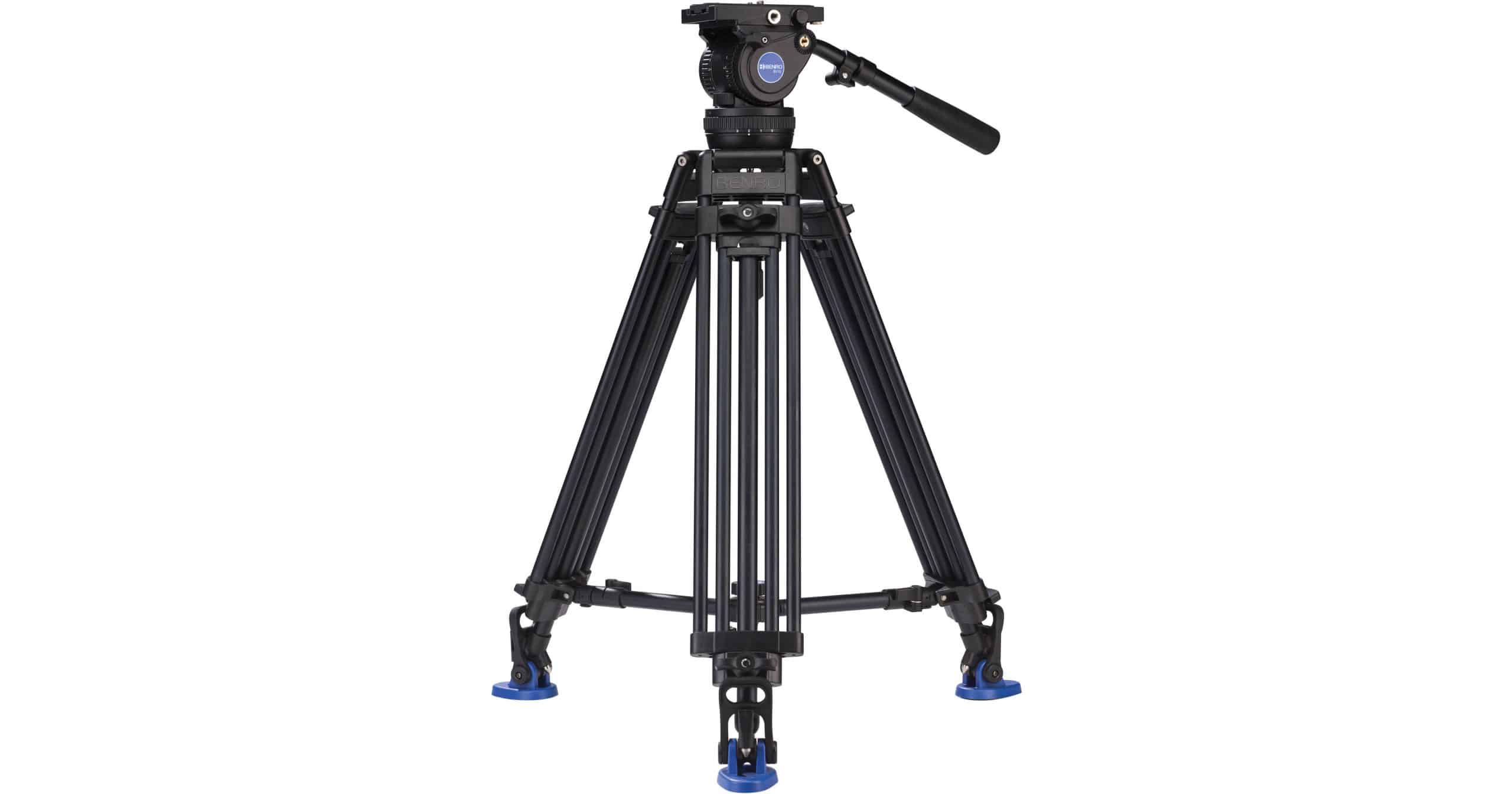
First up, the classic. The tripod is the foundation of professional cinematography. It delivers unmatched stability and precise, repeatable framing. Locked interviews, product close-ups, long-exposure cityscapes — it holds your composition exactly where you put it.
Beyond that, modern fluid-head tripods go further than simple static mounting. Smooth pan and tilt, controlled tension, counterbalance systems — together, they let you track subjects and execute slow reveals with ease.
The Gimbal
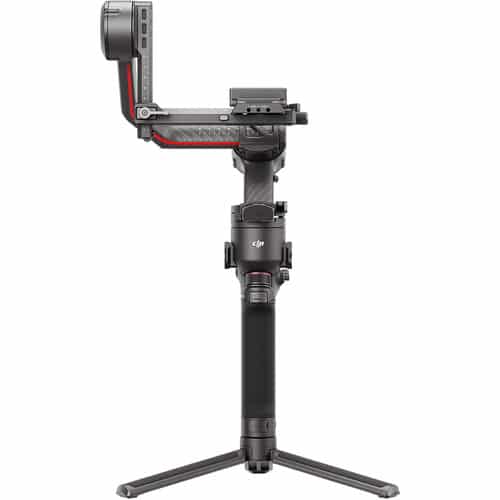
Of course, not every shot stays still. When your story demands movement — following a subject through a crowd on the Las Vegas Strip, gliding down a hallway of a casino — that’s where the gimbal takes over. It’s a motorized 3-axis stabilizer that counteracts hand movement in real time. The result is buttery-smooth footage, even at a full run.
Even better, modern gimbals offer intelligent modes: follow, vortex, time-lapse. A solo operator can, as a result, pull off moves that once required a full crew.


The Slider
While the gimbal roams freely, the slider brings precision in as camera support. It moves the camera laterally along a fixed track, producing a clean parallax effect. The result is controlled, deliberate motion — the kind you see in high-end commercials.
Additionally, sliders excel at repeatability. From compact 60cm rails to motorized rigs, they execute the same move identically every time. That consistency makes them essential for product work and time-lapses shot in Las Vegas.
Which one fits your shoot?
With the comparison in mind, the next step is matching gear to your specific production. As a general rule, no single support system wins universally — the best choice depends on the story you’re telling, the locations you’re working in, and the energy you want the camera to carry.

GRIP VS. LIGHTING: WHAT YOUR VEGAS SHOOT NEEDS TO SHINE
Whether you are filming on the neon-soaked Las Vegas Strip or
in a controlled studio environment at F11 Rentals,
understanding the distinction between Grip and Lighting is the
first step toward a professional production.
In the world of film and photography, the terms “Grip” and “Lighting” are often used
in the same breath. While they work hand-in-hand to create the “look” of a scene,
they represent two distinct departments with different tools and objectives. If you’re
prepping for a shoot in Las Vegas, knowing which gear to prioritize can save you
time, money, and a whole lot of frustration on set.
The Lighting Department: Creating the Source
Simply put, the lighting department is responsible for anything that emits light. This
includes the actual lamp heads, the power cables (stinger), and the consoles that
control them. In a Vegas production, lighting is what gives your image its mood,
exposure, and color temperature.
Essential Lighting Gear:
LED Panels: Versatile and cool-to-the-touch, perfect for quick setups.
HMIs: High-intensity lights often used to mimic or compete with the
harsh Nevada sun.
Tungsten: Traditional warm lighting for interior scenes.
COB Lights: Powerful, single-point sources that can be modified easily.
The Grip Department: Shaping the Light
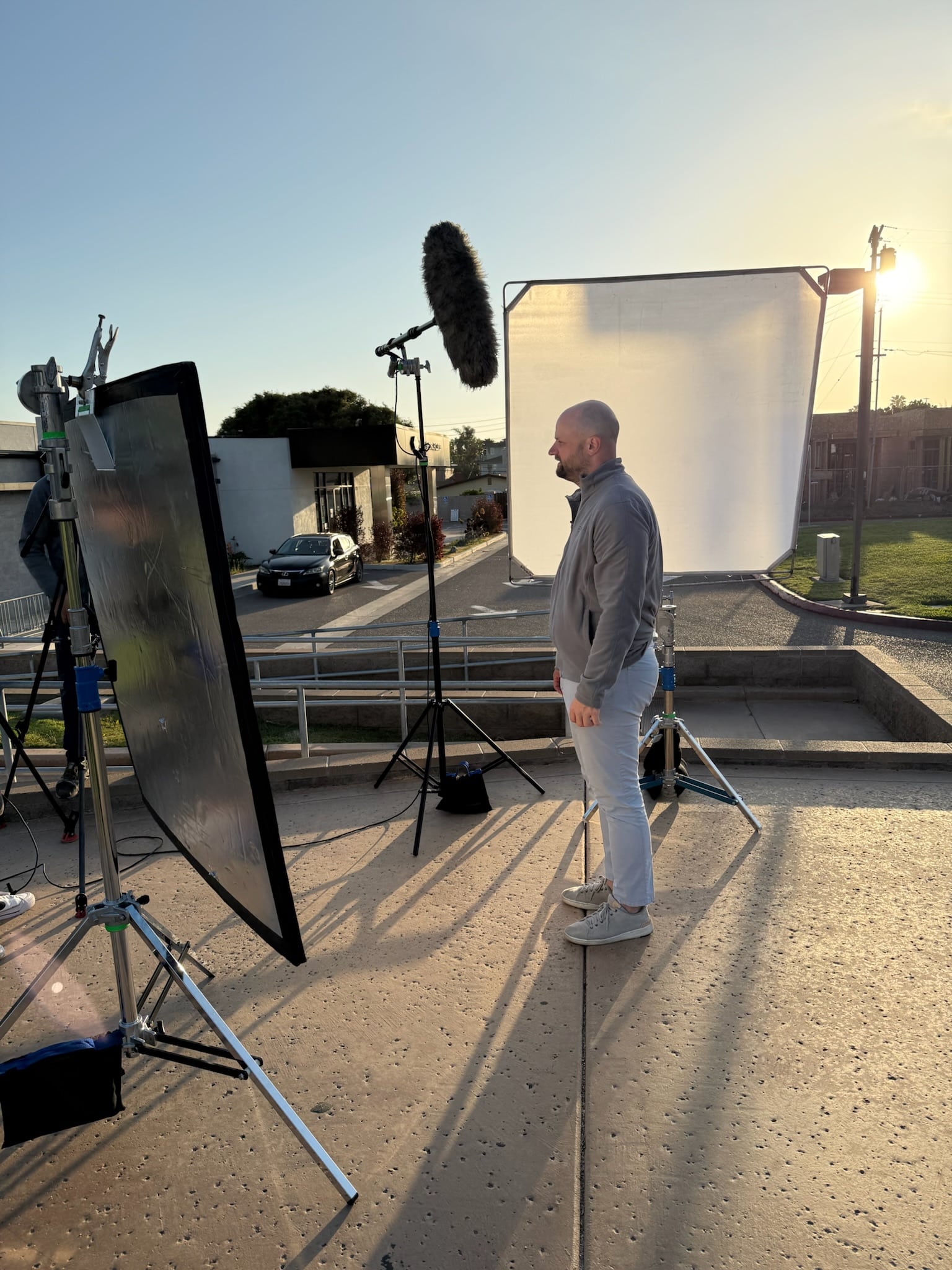
If lighting creates the source, Grip is what shapes and supports it. Grips handle the
“non-electrical” side of the image. They use flags to block light, silks to soften it, and
stands to hold everything up. Beyond lighting support, Grips are also responsible for
camera movement gear, like dollies and sliders.
Essential Grip Gear:
C-Stands & Combo Stands: The backbone of any set.
Flags & Floppies: Used to create “negative fill” or cut light away from
specific areas.
Scrims & Silks: Used to reduce intensity or diffuse harsh shadows.
Sandbags: Crucial for safety, especially when shooting outdoors in the
windy Las Vegas desert.
Which Does Your Shoot Need?
The short answer? Both. However, the ratio depends on your location and style.
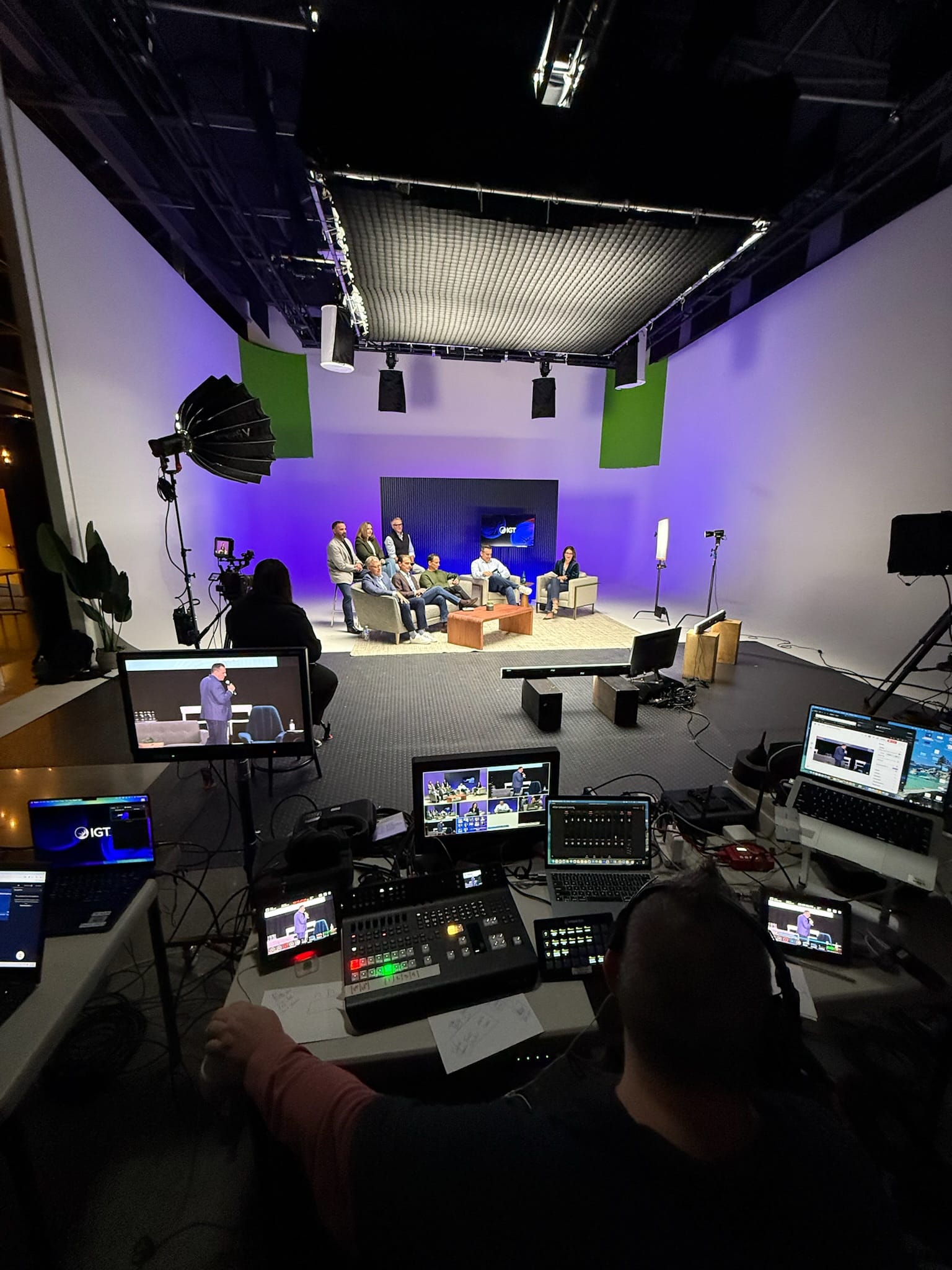
1. The Studio Shoot
In a controlled environment, you need precision. You’ll likely want a robust grip
package (plenty of flags and modifiers) to create depth and “shape” the light around
your subject.
2. The Outdoor Vegas Location
If you’re shooting at Red Rock or the Valley of Fire, you have the ultimate light
source: the Sun. In this scenario, your Grip package becomes your most important
asset. You might not need many lights, but you definitely need overhead silks to
soften the sun and large reflectors to bounce light back onto your talent.
3. The Run-and-Gun Interview
Speed is key here. A few high-quality LED panels (Lighting) with built-in diffusion
(Grip) might be all you need to get the job done efficiently.
READY TO GEAR UP? VISIT F11 RENTALS IN LAS VEGAS FOR ALL YOUR GRIP AND LIGHTING NEEDS.