
When you’re a solo filmmaker, you’re the director, operator, and audio engineer. While camera specs get all the buzz, poor audio ruins great footage faster than a soft focus ever could.
Without a dedicated boom operator, your decision comes down to two tools: a Wireless Lavalier Mic or an On-Camera Shotgun Mic. Here is how to pick the right one for your location shoot.
1. The Wireless Lavalier Mic
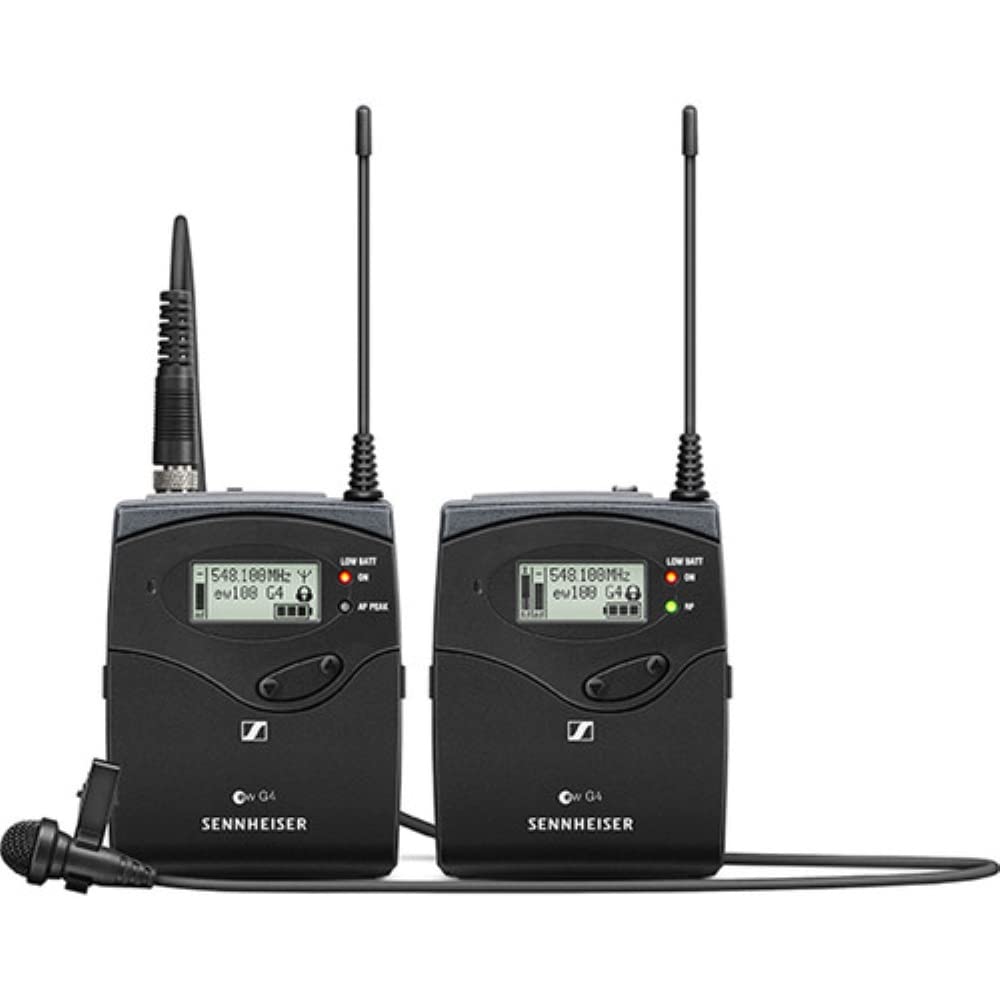
Systems like the Sennheiser Dual Lav Kit or Deity Theos Wireless Lav System clip to your talent’s clothes, placing the microphone capsule just inches from their mouth.
Pros
-
Consistent Proximity: Because the mic moves with the subject, audio levels stay identical regardless of distance or movement.
-
Vocal Isolation: Specifically, it isolates the voice while effectively minimizing ambient room noise and wind.
-
Framing Freedom: Furthermore, you can shoot wide landscape shots without worrying about a boom pole creeping into frame.
Cons & Solo Risks
-
Setup Time: On the other hand, it takes extra time to dress and mic up talent during fast-paced, run-and-gun shoots.
-
Clothing Noise: Additionally, friction against shirts or jackets creates rustling that is nearly impossible to fix in post.
-
RF Dropouts: Finally, signal interference can occur in dense urban areas crowded with competing Wi-Fi signals.

2. The On-Camera Shotgun Mic
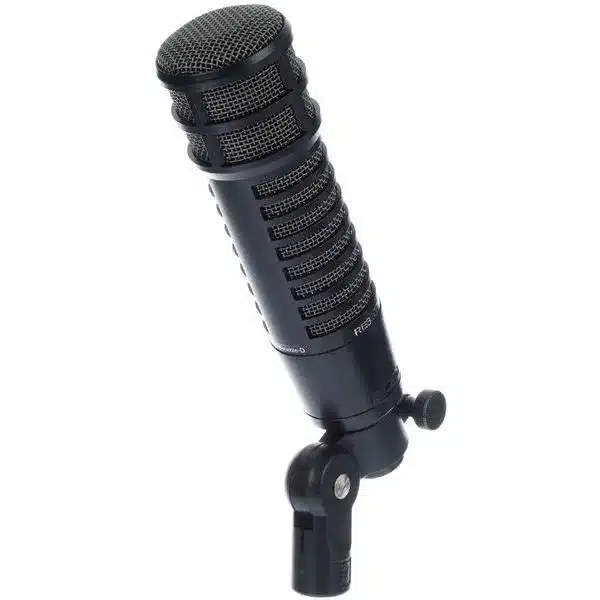
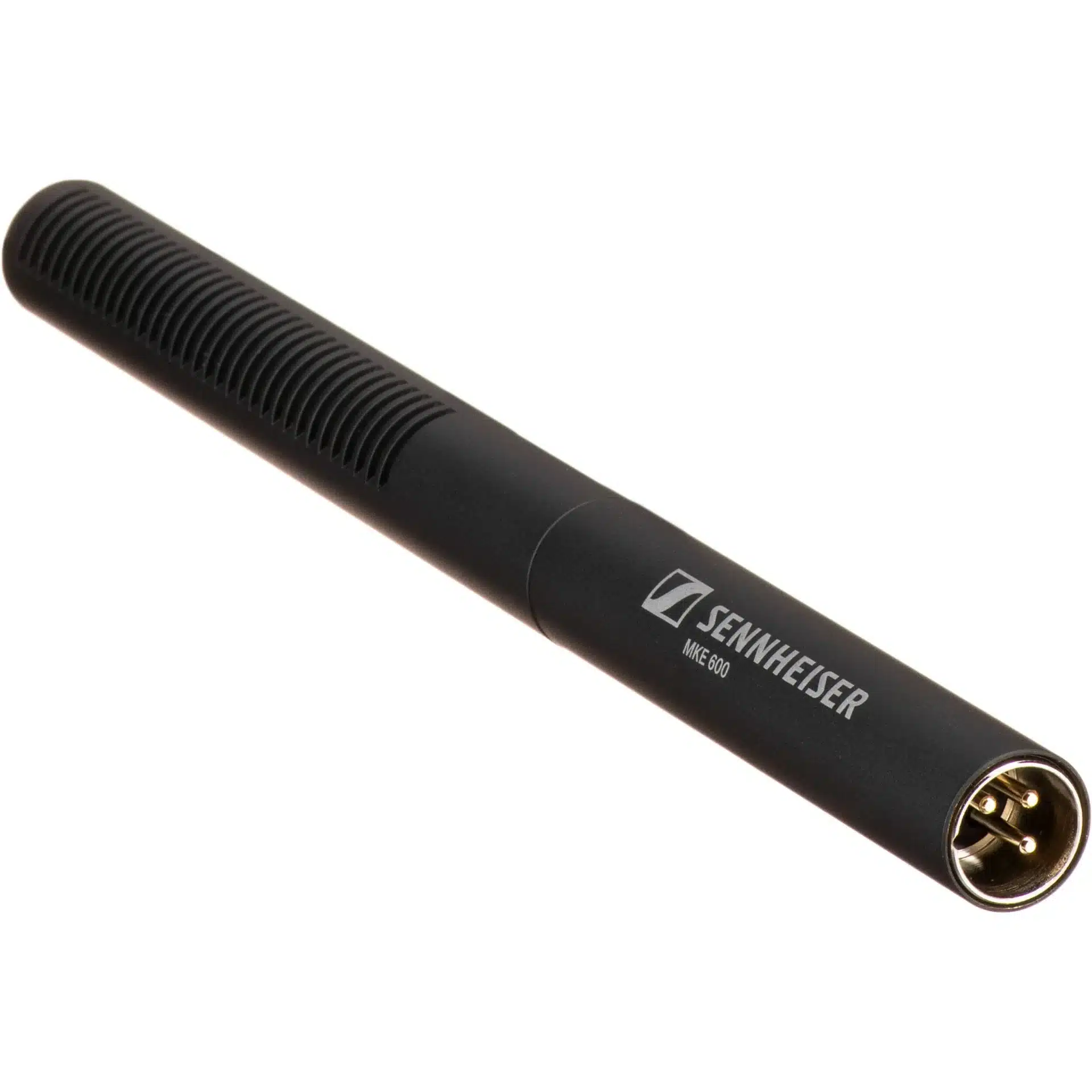
Shotguns like the Sennheiser MKE 600 mount to your camera rig and use directional pickup patterns to isolate sound directly in front of the lens.
Pros
-
Speed & Reliability: First and foremost, you simply slide it into the shoe mount, plug it in, and shoot. No channel syncing is required.
-
Natural Ambience: In addition, it captures realistic room acoustics and environmental atmospheric sound.
-
Zero Clothing Rustle: Moreover, since nothing attaches to the talent, physical friction noise is eliminated entirely.
Cons & Solo Risks
-
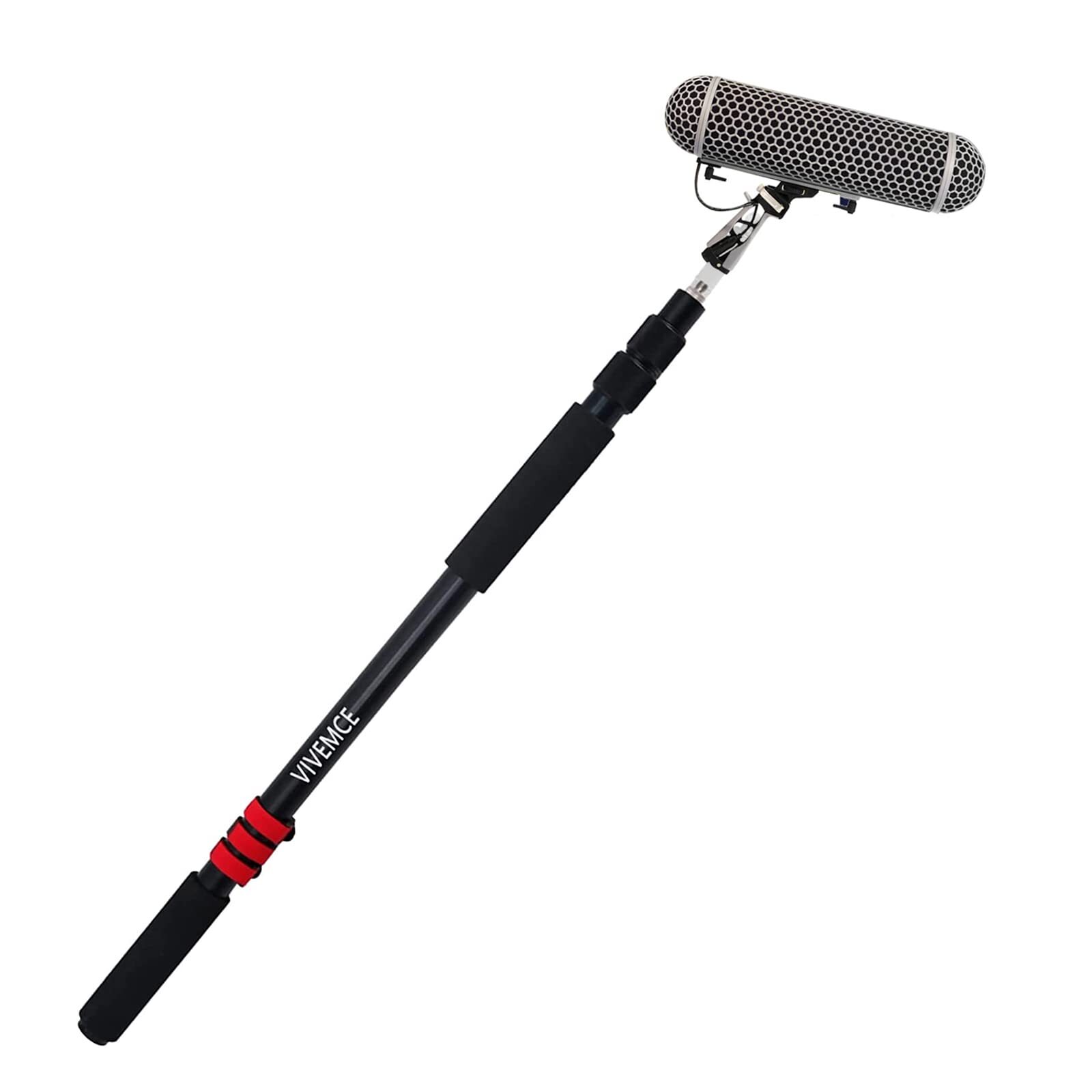
The Distance Dilemma: However, remember that mic placement always beats mic price. Therefore, if your camera is 10 feet back for a wide shot, your mic is also 10 feet away, resulting in thin, echoey audio.
-
Indoor Reflections: Likewise, highly directional tubes can warp audio when sound bounces off hard drywall or glass indoors.

Quick Comparison Guide
| Scenario | Best Choice | Why? |
| Street Interviews / Vox Pops | Shotgun | Fast deployment; no need to stop pedestrians to dress a mic. |
| Sit-Down Interviews | Wireless Lav | Keeps vocal levels completely consistent over long takes. |
| Wide / Walking Shots | Wireless Lav | Allows talent to move freely away from camera with crisp audio. |
| Echoey / Reverberant Rooms | Wireless Lav | Close capsule placement overpowers bad room reflections. |
| Events / Documentary B-Roll | Shotgun | Captures authentic ambient environment sound on the fly. |
The Hybrid Approach: Run Both
If budget permits, feed your wireless receiver into Channel 1 (Left) and a top-mounted shotgun into Channel 2 (Right) on your camera.
This delivers an isolated vocal track on Channel 1 alongside a natural room-tone backup on Channel 2. If a lapel mic rustles, you can seamlessly blend in the shotgun track in post.
Need Audio Gear for Your Next Shoot?
Don’t let bad audio pull viewers out of your story. At F11 Rentals, we carry everything from compact wireless systems to professional shotgun setups and field recorders.